Blog Post #4: Sweatshop Experiences
The Perpetual Labor Problem
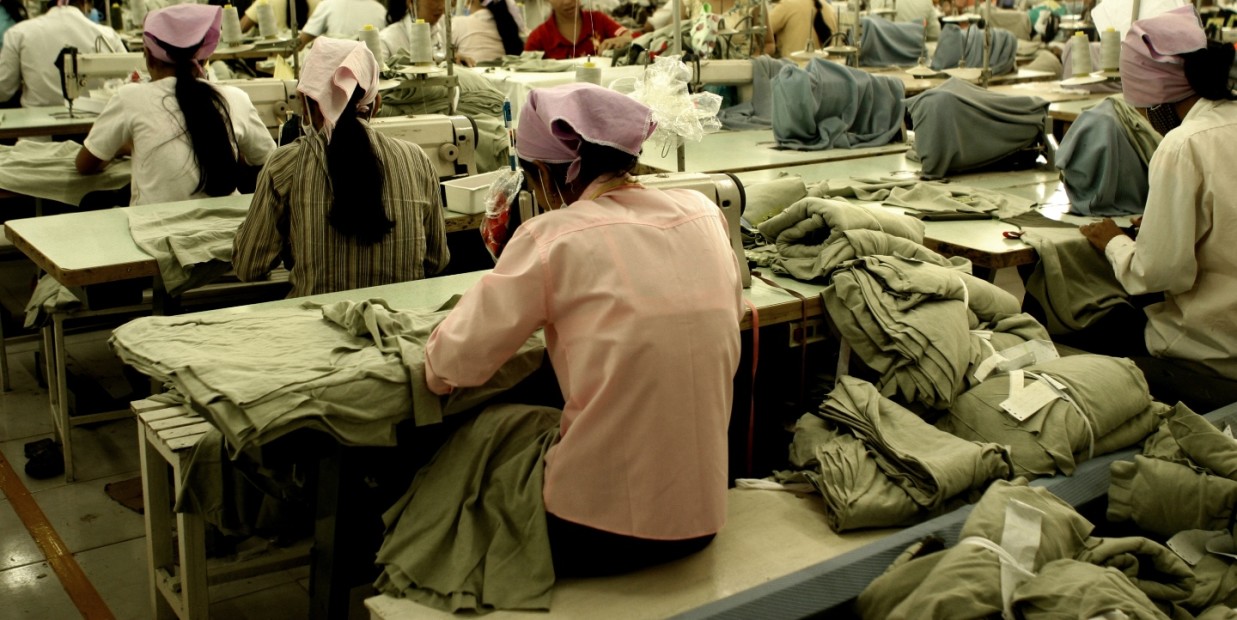
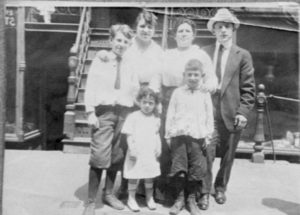
Exploring the ‘New World’ must have been a thrilling adventure for the Conquistadors of the 16th century, but they soon ran into a serious issue. In order to fulfill one of the central goals of their mission, which was to send shiploads of riches back to the royals that founded the expeditions, the Conquistadors needed a vast labor force to sow the new crops and to dig gold mines. Unfortunately, the unsuspecting Native Americans or ‘Indians’ were easy prey. Similarly, the Britsh people that came on the heels of the Conquistadors ran into a similar issue. Since the British despised the Native ‘Savages’ that lived on their newly acquired land, they turned to indentured servants. However, the horrific hazards of the position soon drove the indentured servants into a riot called Bacon’s Rebellion, which ended the popularity of indentured servitude. Desperate, the colonizers turned to chattel slavery with disastrous consequences that still affect the ‘modern’ American society. After the demolition of slavery, weakening of racism, and the establishment of labor standards, the next victims in line for hungry businesses in need of cheap labor were undocumented immigrants, which gave rise to sweatshops. To clarify, sweatshops are hazardous working places that exploit vulnerable people for wages less than the minimum set by the State and Federal government. While increasing globalization has its benefits, it has played a role in increasing the cheap labor demand as American businesses struggle to compete with the cheap goods from abroad. In other words, the problem of labor and product cost has always been a delicate balance. Due to this, it is no surprise that sweatshops that are currently operating are very reminiscent of sweatshops from two centuries ago. Thanks to the Tenement Museum in New York, we have historical records of the Rogarshevsky family that moved to the United States in 1908 and were employed in a sweatshop where they sat in rows in front of primitive sowing machines for hours on end for low pay (1). However, current sweatshops have to constantly dodge government inspections. According to Ms. Teresa Garcia, a sweatshop worker that was interviewed by the New York Times, “the name on her checks….changed, though she worked in the same grungy factory in the heart of downtown”(2). In other words, current sweatshops change their name, location, and manager frequently to avoid detection by the government and they hire only vulnerable people, in this case, undocumented immigrants who would struggle to file a lawsuit for labor violations. Similarly to Abraham from the Rogarshevsky family, who died of tuberculosis after fifteen years of hard labor pressing garments, many sweatshop workers end up seriously harmed or terminally ill (1). Furthermore, according to Ms. Cortes, another sweatshop worker that the New York Times interviewed, the twelve dollar clothes that she sewed were, “‘very expensive for what they pay us'”(2). The real benefactors of sweatshops are the companies that make serious cash from selling sweatshop merchandise at ‘unbelievable’ prices.
Footnotes:
1.“97 Orchard Street.” Tenement Museum. Accessed February 19, 2020. https://www.tenement.org/explore/97-orchard-street/.
2. Kitroeff, Natalie. “Fashion Nova’s Secret: Underpaid Workers in Los Angeles Factories.” The New York Times. The New York Times, December 16, 2019. https://www.nytimes.com/2019/12/16/business/fashion-nova-underpaid-workers.html.

