
The first trans‑African flight of 1920 stands as one of the most revealing technological and political milestones of the early twentieth century. Attempted by General Sir Pierre van Ryneveld and Air Vice Marshal Sir Quintin Brand, the journey from England to Cape Town was far more than a daring aviation experiment, it was a moment that illuminated the ambitions, anxieties, and contradictions of the world post–World War I. Backed by Prime Minister Jan Smuts and celebrated across the British Empire, the flight symbolized the rapid expansion of aviation technology and the shrinking of imperial space, promising new forms of connection between Britain and its African dominions. Yet the public reactions it provoked, especially within South Africa, exposed deep racial and political tensions that defined the 1920s. By examining who undertook the flight, how it unfolded, and why it mattered, it can be illustrated that the Silver Queen expedition not only demonstrated the technological optimism of the era but also revealed the fractured social landscape of South Africa and the uneven meanings of “progress” within an imperial context.
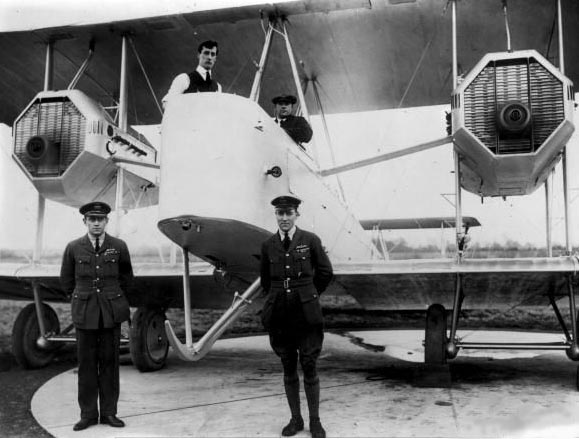
Who Flew?
The two pilots tasked with the ambitious journey were General Sir Helperus Andreas “Pierre” van Ryneveld and Air Vice Marshal Sir Christopher Joseph Quintin “Flossie” Brand. Both men were highly decorated military veterans and had lengthy aviation experience that made them uniquely suited for the expedition. Pierre and Flossie were each highly decorated earning awards such as the Knight Commander of the Order of the British Empire (KBE), the Companion of the Order of the Bath (CB), the Distinguished Service Award (DSO), and the Military Cross (MC) during their careers. After their successful flight each man was officially knighted by the British Empire.
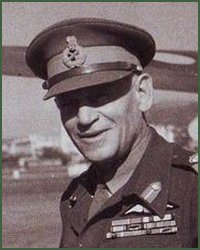
General Sir Helperus Andreas van Ryneveld (aka Pierre van Ryneveld)
Despite Pierre van Ryneveld’s impressive military career, he is most notably known for the trans-African flight. During the first world war Pierre originally served as a part of the North Lancashire Regiment before he transferred to the Royal Flying Corp, and then to the Royal Air Force. After the war, and in addition to his other awards Pierre was given the Chevalier of Legion of Honor by the French government. Part of the reason Pierre was chosen to take on such an ambitious flight was to establish the first South African Air Force (SAAF) on behalf of the British government. Following the success of the flight Pierre established the SAAF and became the director of such until 1933, after which he became the Chief General Staff until his retirement in 1949.

Air Vice Marshal Sir Christopher Joseph Quintin Brand (aka Flossie)
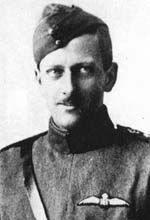
Commonly referred to as Quintin Brand or Flossie, although did not begin his career within the air force he still managed to accumulate an impressive career. Originally Flossie joined the CID Inspectors Unit (Criminal Investigation Department) in Johannesburg, and only a few years later in 1913 he joined the South African Defense Force, which included the air force at the time. In 1915 Flossie traveled to England to join England’s Royal Flying Corps, and earned several medals of honor which also included the Distinguishable Service Order. After his successful flight to Cape Town, Flossie continued his military career during the second world war and was made a commanding officer with several different air force regiments.
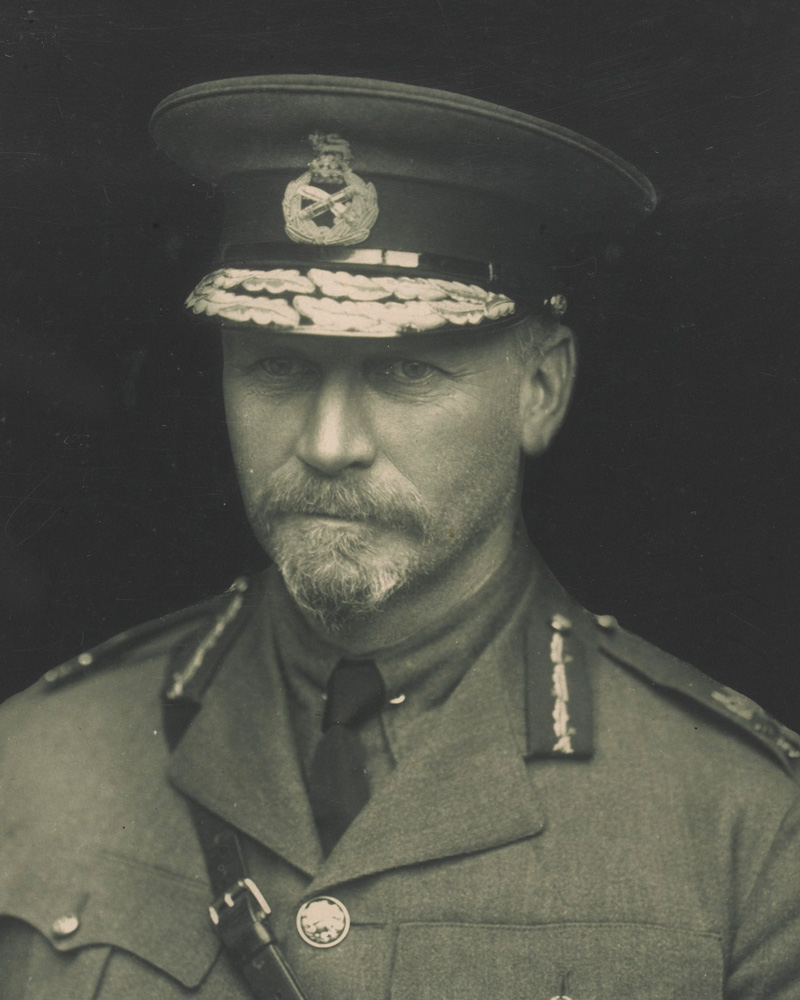
Jan Smuts
Although Smuts did not personally take to the sky, he was a significant driving force behind the financial and political support for the flight. Before becoming one of the more influential prime ministers of his era, Smuts was a decorated military officer, statesman and philosopher. He took office as the prime minister of the Union of South Africa between 1919-1924 and 1939-1948. His government fueled a large majority of expeditions, and viewed it as a technological opportunity and as a symbolic gesture to link South Africa to the British Empire.
Reasons for Flight
The origins of the flight were rooted in both competition and imperial ambition. One contemporary report suggested that The Times of London had offered a £10,000 prize for the fastest flight from London to Cape Town. Smuts, eager to demonstrate South Africa’s modernity and its place within the British imperial network, authorized the purchase of the Vickers Vimy for £4,500 and selected Pierre and Flossie to undertake the mission. However several other accounts emphasize the fact that Pierre was also tasked with establishing the South African Air Force after landing in Cape Town.
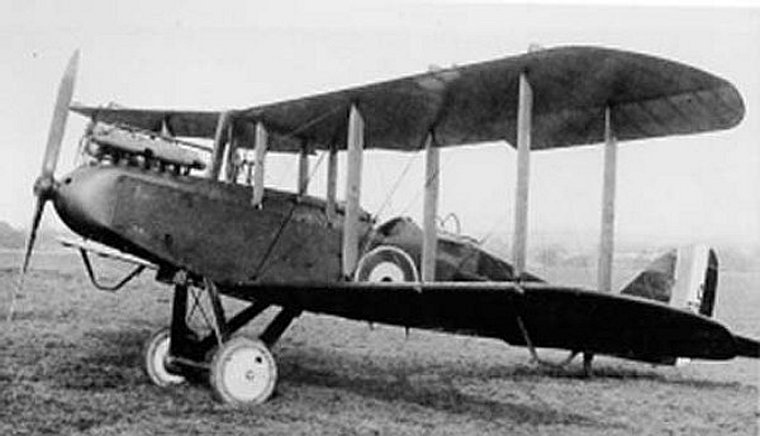
The only reason the flight was deemed feasible was because of the significant innovation made in aviation technology during the first world war. Such innovations included advancements in propellers, engines and turbines which allowed for longer flight times and more stability while in flight.
Innovations in Aviation
Although the first world war resulted in mass casualties, violence, and the collapse of several empires, it also provided the world with several innovations in technology. Despite the fact that many of these innovations were a part of destructive machines and weaponry, there were several other developments made that greatly improved modern life. Such as innovations made within aviation. These improvements included the modernization of communication between pilots and those on the ground, within the early years of the first world war these communications mainly occurred through Morse code, however by the end of the war radiotelephone communication made it easier, faster and clearer to communicate. Additionally innovations were made so that planes were able to endure more types of weather conditions, as well as allowed pilots to fly for long times and distances. The installation of oxygen systems allowed for the long-range flights, and several German pioneers created liquid-oxygen systems for extended altitude missions. The development of the Gyroscopic instruments enabled safer night and cloud-covered flights. Several other innovations in engines and propellers, as well as in the very design of aircrafts themselves made flight, and especially long-distance flights more possible. Without these modernizations in aircraft the first trans-African flight would have never occurred, and it’s likely that modern flight would have been different than what many know today.
The Events of the Flight
The journey itself began on February 4th 1920, when Pierre and Flossie departed from Brooklands in the United Kingdom. They aimed to reach Cape Town, completing a direct air route that had never before been achieved. Their arrival on March 20th 1920 marked the end of a 45‑day odyssey that included multiple crashes, mechanical failures, and aircraft changes.
The original Vickers Vimy, named The Silver Queen, was forced to land in Wadi Halfa after crossing the Mediterranean and was ultimately deemed beyond repair. A second Vimy, The Silver Queen II, carried them from Cairo until a crash in Southern Rhodesia (Zimbabwe) on March 5th-6th. The final leg of the journey was completed in an Airco DH.9, renamed The Voortrekker, provided by the South African government. In total, the flight required 109 hours and 30 minutes of actual flying time. In May of 1920, both aviators were knighted for their achievement.
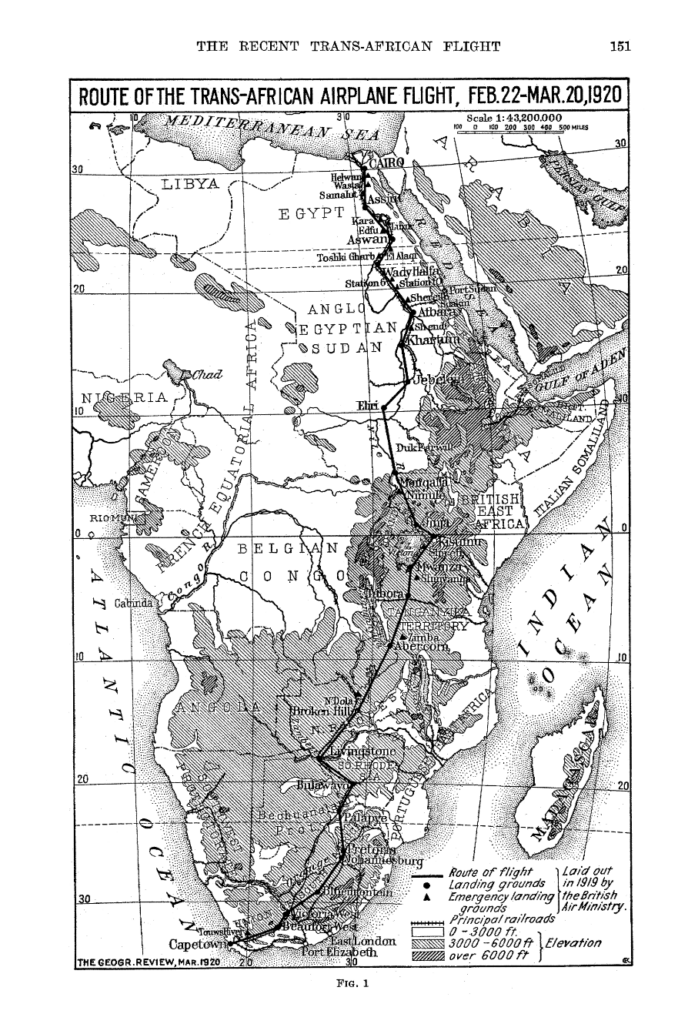
The map below is interactive, and details the flight path taken by Pierre and Flossie, the purple pins are confirmed stops within official reports and the blue pins illustrates the flight path Leo Walmsley detailed in his report from March 1920.
Public Reactions
There were several different reactions to the success of the first trans-African flight. Although the majority of the public, both in London and in South Africa, had very positive and hopeful reactions there were also several groups of people who reacted negatively to the flight’s success.
The divided reactions between populations revealed deeper political and social tensions within Africa, and especially within South Africa and Cape Town. The public’s reactions were sharply drawn by racial and social differences that were already deeply rooted within their society. For the better half of a century South Africa, and especially Cape Town was colonized by Britain, therefore it’s unsurprising a large population of white people lived within the settlements. The majority of this population was very proud of this achievement, since it not only demonstrated Western superiority in aircraft technology but it also connected the British Empire in ways never before seen. This reaffirmed their connections to their home country. Simultaneously these triumphant feelings exposed racial anxieties of the white population who felt political unrest and resistance from black South Africans even before the flight. The celebration of the flight thus became entangled with efforts to assert control and reinforce racial hierarchies.
On the contrary the native and black populations of the settlements often viewed and met the success of the flight with much skepticism and even indifference. Rather than the flight symbolizing progress, it represented a deepening entrenchment of imperial power and the strengthening of settler authority. The aircraft itself, descending from the sky, and bearing the symbols of the empire, became a metaphor for the technological and political imbalances that defined colonial rule. In this sense, the flight encapsulated the contradictions of the early 20th century: extraordinary technological innovation paired with profound social inequality.
How this reflects themes of the 1920s
The significance of the 1920 trans‑African flight extended far beyond its technical accomplishment. It demonstrated the rapid advances in aviation technology that had emerged from the First World War and showcased the growing ability of aircraft to shrink imperial space. Before this moment, travel between Britain and South Africa required long sea voyages along the western coast of Africa. The flight symbolically collapsed this distance, reinforcing the idea that the empire could be connected through modern technology. It also positioned Britain, and by extension its dominions, as leaders in global aviation. The flight also stands as a representation of the broader themes of the early 1900s and the 1920s in particular. It highlights the transformative impact of wartime technological development, the imperial ambitions of Britain and its dominions, and the racial tensions that shaped South African society. It was both a triumph of engineering and a reminder of the unequal world in which such triumphs were celebrated.
Conclusion
The 1920 trans‑African flight ultimately stands as far more than a remarkable feat of early aviation. It was a moment in which the technological momentum generated by the First World War collided with the political ambitions of the empire and the deeply hierarchical social realities of South Africa. Pierre van Ryneveld and Quintin Brand’s journey demonstrated how wartime innovations which included stronger engines, improved communications, oxygen systems, and more reliable aircraft designs, had transformed the possibilities of flight, shrinking imperial space and redefining the limits of human mobility. Yet the public responses to their achievement revealed that technological progress did not translate into social unity. Instead, the flight exposed the fractures within South African society: the pride and imperial enthusiasm of white settlers contrasted sharply with the skepticism and apprehension of Black Africans who saw the event as another symbol of entrenched colonial power. In this way, the Silver Queen expedition encapsulated the contradictions of the early twentieth century, an era marked by extraordinary innovation alongside profound inequality. By tracing the story of this flight, its origins, and its reception, we gain insight not only into the development of modern aviation but also into the contested meanings of “progress” in a world still shaped by empire, race, and the legacies of war.
Citations
- Barker, Ralph. “A Brief History of the Royal Flying Corps in World War I : Barker, Ralph, 1917- : Free Download, Borrow, and Streaming : Internet Archive.” Internet Archive, 2022, archive.org/details/briefhistoryofro0000bark/page/n5/mode/2up.
- Barns, T. Alexander. “A Trans-African Expedition.” Journal of the Royal African Society, vol. 24, no. 96, 1925, pp. 272–86. JSTOR, http://www.jstor.org/stable/716208.
- Biddle, Tami Davis. “AIR POWER THEORY: AN ANALYTICAL NARRATIVE FROM THE FIRST WORLD WAR TO THE PRESENT.” VOLUME I: THEORY OF WAR AND STRATEGY, edited by J. Boone Bartholomees, Strategic Studies Institute, US Army War College, 2010, pp. 279–310. JSTOR, http://www.jstor.org/stable/resrep12114.23. Accessed 2 May 2026.
- DEDERING, TILMAN. “Blue Skies into White Space: Southern African Responses to the Trans-African Flight of the Silver Queen, 1920.” Technology and Culture, vol. 59, no. 2, 2018, pp. 289–312. JSTOR, https://www.jstor.org/stable/26804414.
- Filby, A. E. “A New Trans-African Route.” The Geographical Journal, vol. 93, no. 5, 1939, pp. 419–24. JSTOR, https://doi.org/10.2307/1788712. Accessed 1 Apr. 2026.
- Gazette, London. ““The London Gazette” Issue 31900.” The Gazette Official Public Record, 14 May 1920, p. 5480, www.thegazette.co.uk/London/issue/31900/page/5480.
- Masego Panyane. “University of Pretoria Commemorates 100 Years of Trans-African Flight and Re-Installation of Flight Monument.” University of Pretoria, 2020, www.up.ac.za/news/university-of-pretoria-commemorates-100-years-of-trans-african-flight-and-re-installation-of. Accessed 1 Apr. 2026.
- Stanley, William R. “Trans-South Atlantic Air Link in World War II.” GeoJournal, vol. 33, no. 4, 1 Aug. 1994, pp. 459–463, https://doi.org/10.1007/bf00806430.
- “The Evolution of World War I Aircraft.” Si.edu, 7 May 2025, airandspace.si.edu/explore/stories/world-war-i-laboratory-air.
- Walmsley, Leo. “The Recent Trans-African Flight and Its Lesson.” Geographical Review, vol. 9, no. 3, 1920, pp. 149–60. JSTOR, https://doi.org/10.2307/207254.

Madison is currently a senior at the Ramapo College of New Jersey, who took this course in the spring of 2026. She has a major in Visual Arts, with a concentration in Art History, along with a double minor in Anthropology and Museum and Exhibitions Studies. After graduating Madison hopes to continue her education in order to become an Archaeologist or Museum Educator.
