The Museum of Modern Art was founded during the end of the 1920s. The origins of the Museum was riddled with themes of the 20’s, while also challenging and or expanding on some of those themes. Women played a huge role in the founding of the Museum of Modern Art and how it ran. Though the Museum was run by Americans, immigrants made their own impacts on the Museum too, like Japanese Americans. These themes help shaped the Museum during its early days to become the Museum that exists today.
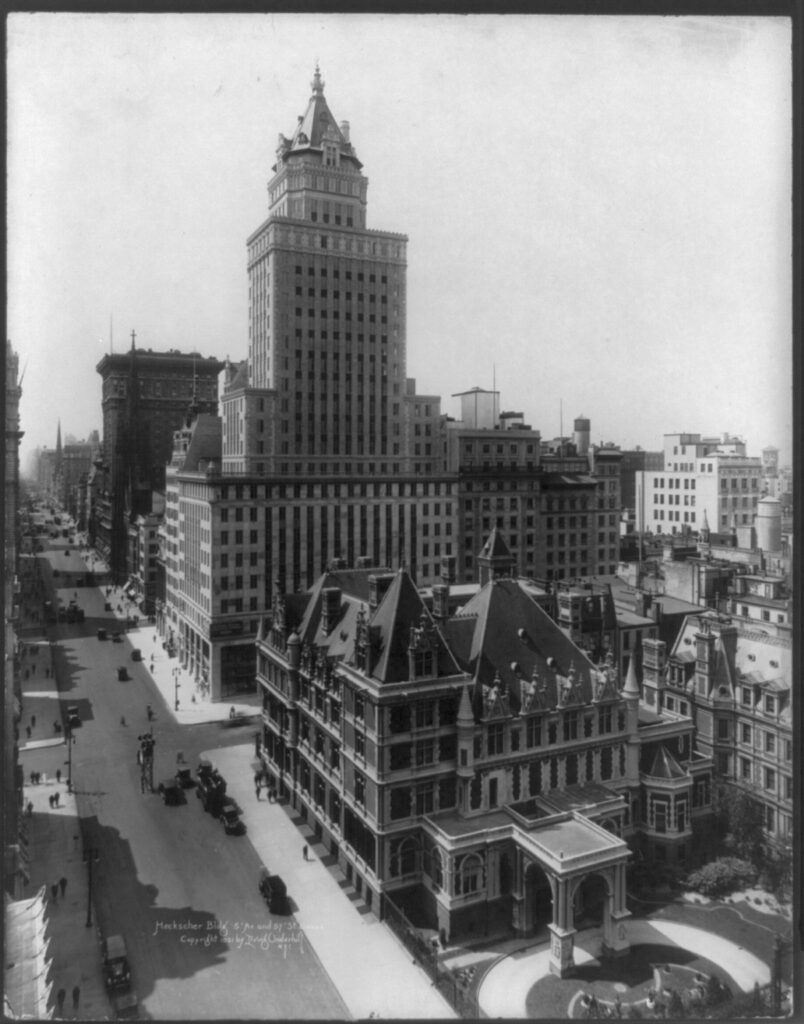
The Museum was the idea of three women: Abby Aldrich Rockefeller, Lillie P. Bliss, and Mary Quinn Sullivan, who were known as “The Ladies”. These women were daughters and wives of some of America’s famous and powerful families. They had a passion for the arts and were avid art collectors. The idea of the Museum began in 1928, when The Ladies gathered together over lunch to come up with a museum that could house contemporary art.1 The Ladies pooled their incomes and also raised money from wealthy businessmen to open the Museum. The Ladies invited Alfred H. Barr, Jr to be the Museum’s first director and appointed Anson Conger Goodyear, Paul Sachs, Frank Crowninshield, and Josephine Boardman Crane as board of trustees when the Museum opened on November 7, 1929.2
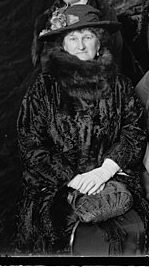
Perspectives about to role of women changed during the 1920s. As women became more economically independent, they would forego the traditional gender norms and dressed differently from prior generations. One Historian, Lynn Dumenil, called this change the change of the “New Woman”.3 Though all three of the founders would fall under the same notion of the New Woman, Abby Aldrich Rockefeller best encapsulated the New Woman and expanded upon it. Abby Aldrich Rockefeller was the Museum’s Treasurer, and over the years gained other job titles like First Vice President, and First Vice Chairman. These positions were typically not given to women during this era. She also advocated for women’s rights. She gave money to the Young Women’s Christian Association (YWCA) and served as chairwomen of the organization for 20 years.4 The organization aimed to help advance all women and offer them economic protection. Her appearance also challenged social norms. She wore her hair short, similar to a man’s hair, and Flappers.
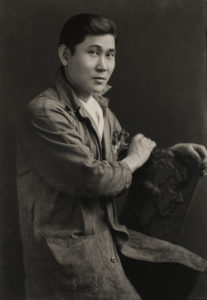
The Museum helped reinforce the modernity of the 1920s. Due to the increase of educated people, culture began to flourish all over the country. Historian Lynn Dumenil believed that American modernity began when the European idea to challenge old Victorian ideals also began to spread in America.5 The Museum’s original exhibit were of three European painters: Vincent van Gogh, Georges Seurat and Paul Gauguin. These painter’s works were often considered to have pushed and challenged the norms of the Art World. People in the 1920’s also tried seeking guidance for their problems from the secular world.6 Museums like the Museum of Modern Art housed collections of secular art that could bring this comfort, or caused people to changed their perspective on things. During American Modernity, states in the North tried celebrating pluralism and embracing other people’s cultures.7 The Museum did it best by embracing pluralism. In 1930, the Museum of Modern Art hired a famous Japanese-American photographer named Soichi Sunami who stayed there for almost 40 years .8 Though Soichi was hired in the 30’s, his being hired and work being appreciated was due to the ideas of modernity and pluralism from the 20’s.
The Museum of Modern Art was shaped by the culture of American during the 1920’s. The Museum challenged the traditional role of women, since the Museum’s founders were all women and the huge role they played after its founding. The Museum embraced the ideas of American Modernity, by embracing foreign cultures and being a place of secular enjoyment of art. Thus, the Museum of Modern Art both challenged and embraced the norms of the 1920s.
- “MoMA Through Time,” MoMA, The Museum of Modern Art, accessed on March 31, 2026. ↩︎
- “The Museum of Modern Art History,” MoMA, The Museum of Modern Arts, accessed on March 30, 2026. ↩︎
- Lynn Dumenil. Modern Temper: American Culture and Society in the 1920s, (New York: Hill and Wang, 1995), 99. ↩︎
- “Abby Aldrich Rockefeller, 1874-1948,” Rockefeller Archive Center, accessed on March 31, 2026. ↩︎
- Dumenil. Modern Temper,146. ↩︎
- Dumenil. Modern Temper, 151. ↩︎
- Dumenil. Modern Temper, 149. ↩︎
- “Soichi Sunami,” Getty, The Getty Museum, accessed on March 31, 2026. ↩︎
Bibliography
“Abby Aldrich Rockefeller, 1874-1948.” Rockefeller Archive Center. accessed on March 31, 2026.
Dumenil, Lynn. Modern Temper: American Culture and Society in the 1920s. (New York: Hill and Wang. 1995).
MoMA Through Time.” MoMA. The Museum of Modern Art. accessed on March 31.
“Soichi Sunami.” Getty. The Getty Museum. accessed on March 31, 2026.
“The Museum of Modern Art History.” MoMA. The Museum of Modern Arts. accessed on March 30, 2026.

Josh Pelar is a History student at Ramapo College of New Jersey.
