
The 1920s have always struck me as a decade of social, cultural, and technological innovation, coupled with broad reshaping of national narratives in most of the industrialized world. In the wake of World War I, Western civilization was shaken by the realization that unprecedented scientific advancement could lead to the destruction of society just as easily as it had revolutionized people’s very understanding of the world itself. From this turbulent position, many global powers attempted to stabilize the geopolitical condition, even though they truly had no clue how to strive for this holistic goal, as the challenge of peace had never been addressed on such a macro scale. Also, through the retrospective lens of history, one cannot help but see the Great Depression and World War II looming on the horizon, waiting to force humanity into reevaluating its convictions and strategies from scratch.
In this limbo there exists a decade where culture and entertainment stretched their wings, while politics and the quest for military dominance tried desperately to catch their breaths. Communication technologies such as radio broadcasts and rudimentary motion pictures became integrated into the public sphere, thus allowing previously unseen aspects of society to be shared across not only the urban/rural divide, but also across continents. This led to the creation of leisure culture, at least amongst individuals who had successfully ridden the waves of the industrial revolution and war bond payouts into economic stability. Affluent communities and an emerging profession class supported an enlarged entertainment market, which actually helped art forms typically associated with disadvantaged populations, such as jazz, gain substantial footing and relevance. Ultimately, many of my preconceptions about the 1920s revolve around this dichotomy between excessive, aimless wealth, and blossoming exposure for lesser acknowledged aspects of culture, which had long been deemed irrelevant to national identities.
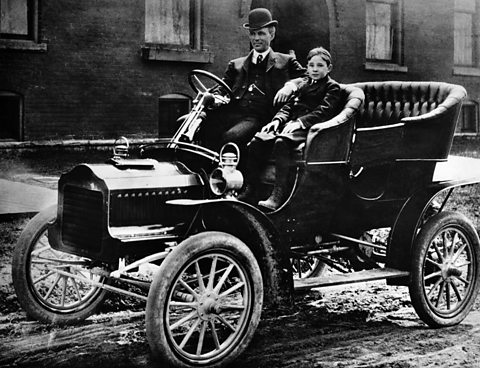
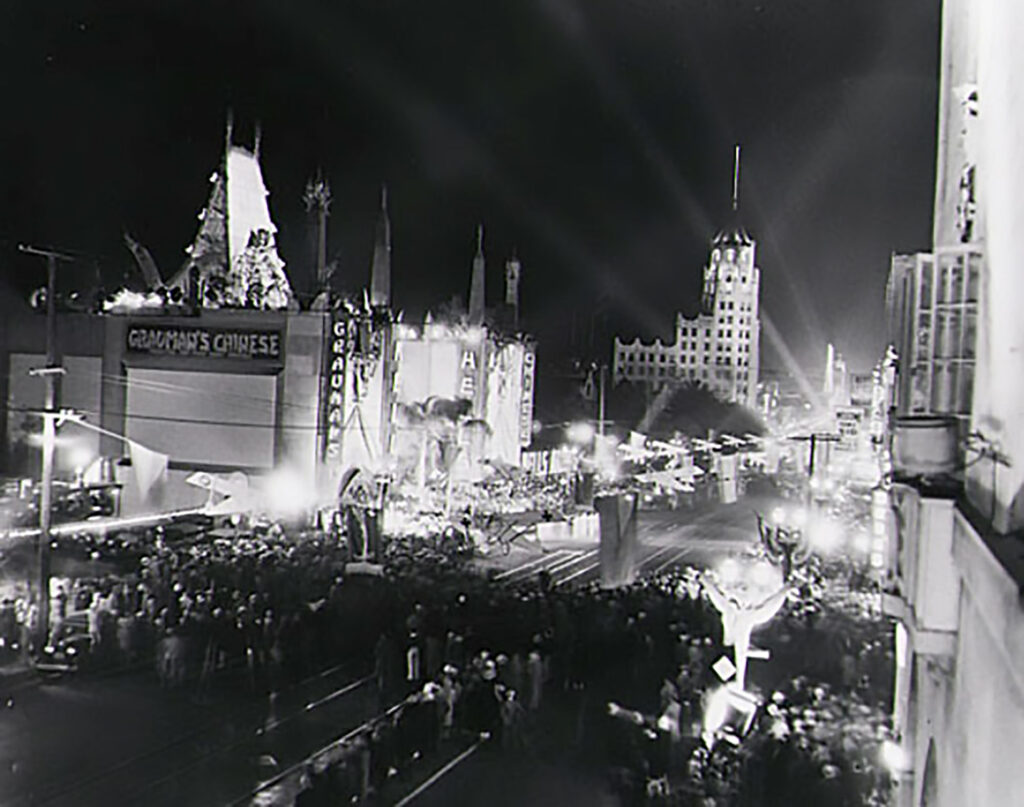
The images that immediately come up on Google for “the 1920s” definitely corroborate a boom in the entertainment industry, while also highlighting the domestic political context through events like prohibition and the Women’s Suffrage Movement. The sheer number of people depicted in the photos signifies that the decade is broadly remembered for developments that affected individuals, and not amorphous national identities or geopolitical ideologies. However, one caveat to that can be seen in the countless images of American flags being strung around cars, street posts, dance halls, and other public settings. While my first impressions were largely guided by an understanding of global history throughout the first half of the 20th century, zooming into the United States points to the genesis of the country’s cultural identity. From jazz clubs to anti-communist rallies, to the first “movie stars,” the decade witnessed the popularization of much of what would go on to define America on the global stage.
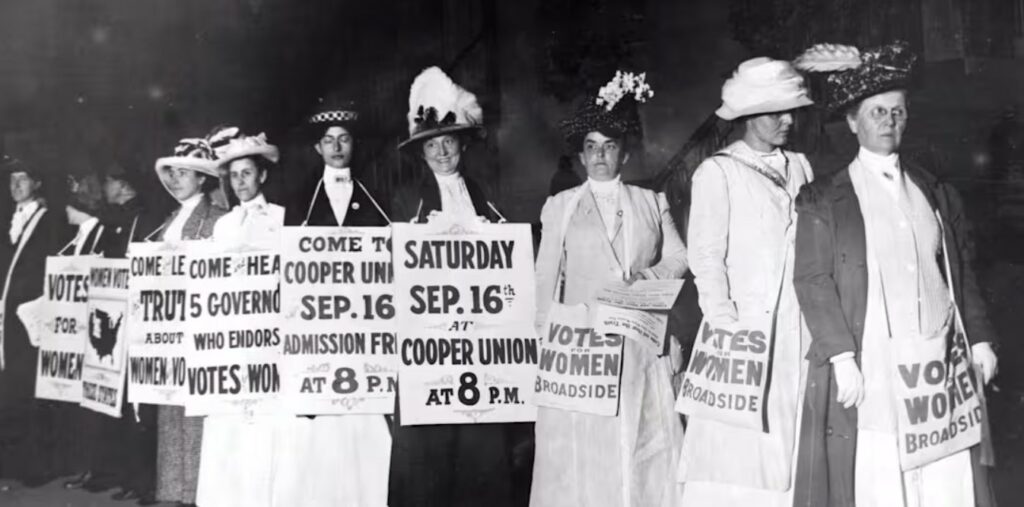
One through line that I see amongst all the images of luxurious ballrooms, steadfast picket lines, and unique modes of transportation is a struggle to make peace with the pace of a modernizing world. After the rush of the industrial revolution and the horror of World War I, humanity was uncertain, if not utterly fearful of where technological advances and global political integration would lead. Immersed in this gentle unease I find my current understanding of the decade, and numerous informative parallels to our own contemporary, “Roaring Twenties.”

A senior at Ramapo College, majoring in American Studies and minoring in Anthropology.
