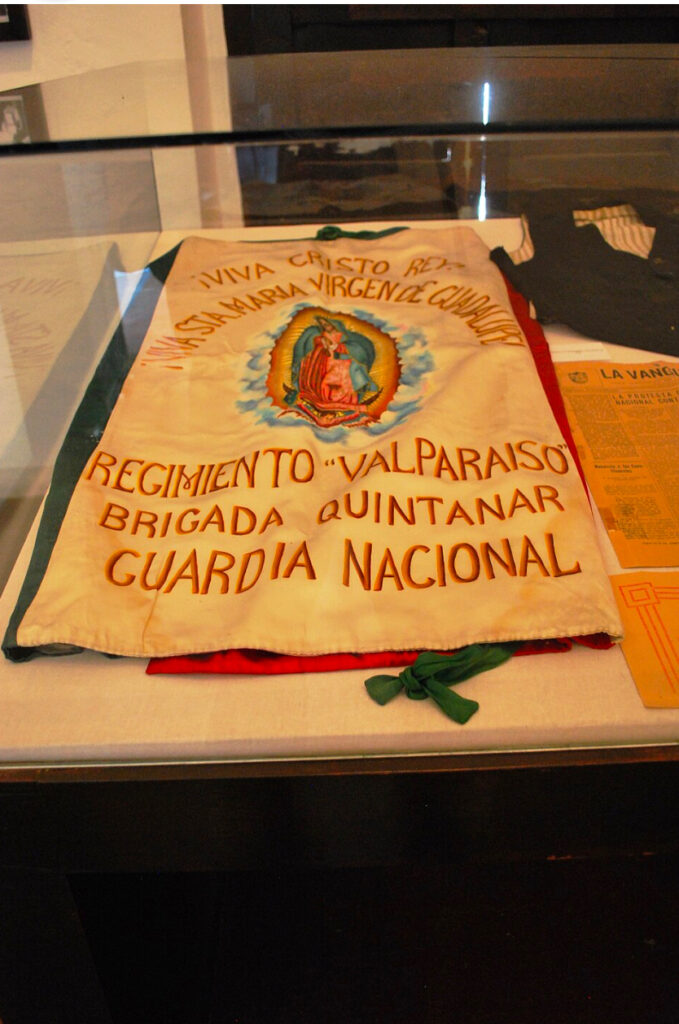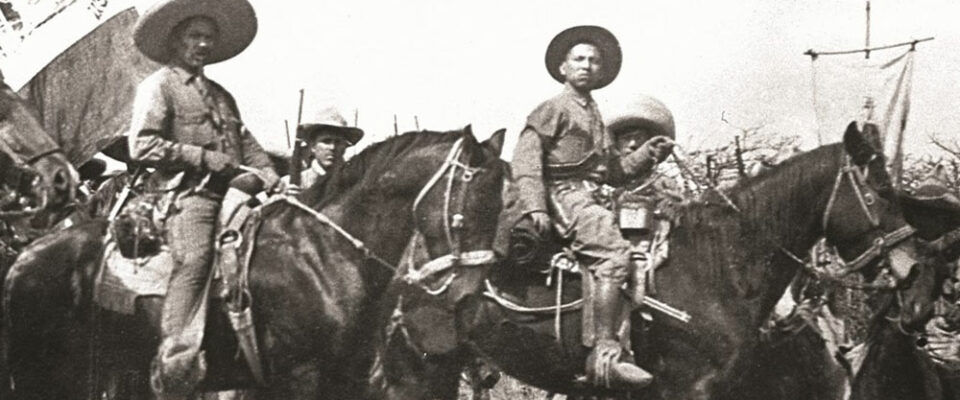
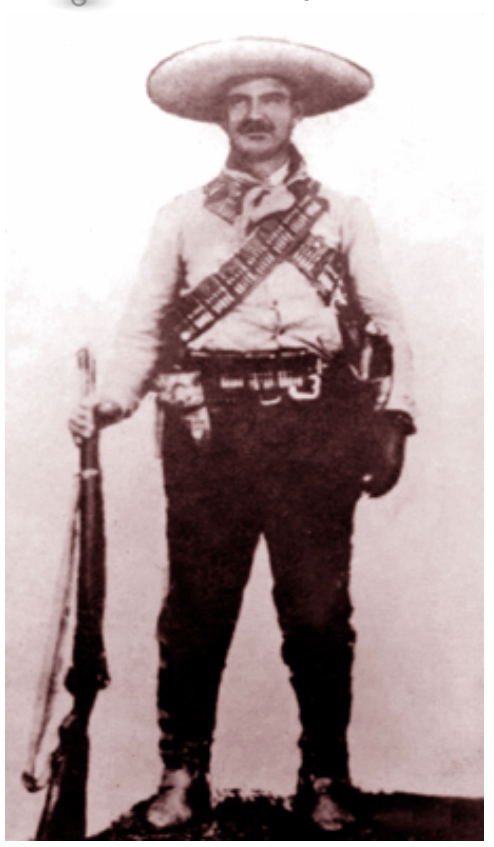
This chapter talks about the different roles women started to play during the 1920s and, the new beginning of American industrialization and organization era. Additionally, modern temper chapter 4 talks about how the beginning of the 1920s was for the working class and immigrants. Furthermore, this chapter also talks about how life in the United States was after the war and how its economy was during this time. Additionally, it also mentioned how a lot of immigrants were coming to the US from all over the world to work, which helped in the development of the country and the economy. Moreover, In the 1920s, women in the U.S. worked in certain jobs, though their opportunities were limited by societal expectations. Women were able to do professional teaching, and nursing in the cities, and in the countryside, there was domestic work, farm/dairy production, and cooking. Women’s limited access to jobs is the main reason why the economy was doing so poorly back during this period. Additionally, this chapter also talks about the beginning of intellectual life and the encounter of religions of different backgrounds. Additionally, the chapter talks about how African Americans were not alone in the struggle for self-identity because, during the 1920s in Harlem, the city had never been with so many different ethnicities like African Americans, Jews, Hispanics, and Italians. Moreover, during the 1920s a lot of people were coming in from South America causing, the Latino population in America to grow. Moreover, during the 1920s in the United States, the number of church members roughly went up by 55% of the adult population and continued to increase churches prospered financially as well and kept growing in many urban cities across the country. The Cristero War also known as the fight in Mexico between the government and Catholic rebels known as Cristero. This war started in response to the anti-clerical policies of President Plutarco Elías Calles, who sought to enforce the 1917 Constitution, which imposed strict restrictions on the Catholic Church. These measures, known as the Calles Law, included banning religious orders, closing Catholic schools, and expelling foreign priests. Additionally, the main cause of the Cristero War was the Mexican government’s suppression of the Catholic Church. Furthermore, Calles’ policies were seen as an attack on religious freedom, provoking widespread resistance. Additionally, the war began in 1926, with local uprisings escalating into full-scale rebellion. The Cristeros, mostly peasants and former soldiers, fought a guerrilla war against government forces. Important leaders included Enrique Gorostieta, a former general who became the movement’s military commander. The U.S. government, concerned about instability in Mexico, pressured for a peaceful resolution. With the mediation of the U.S. ambassador, Dwight W. Morrow, an agreement was reached in 1929. The Mexican government agreed to ease some restrictions on the Church, and in return, the Cristeros laid down their arms.