
My initial impressions of the 1920s mostly include topics I know from previous history and art history classes and pop culture. I always initially think of things such as changes in politics, immigration, fashion including things like flappers, prohibition, speakeasies, and films. However, the specific part of the 1920s I think of most is the Harlem Renaissance where there was a lot of artistic expression for African Americans. This happened in a number of areas but the most significant advances came from Harlem. There are some artists that come to mind immediately. The painter Aaron Douglas and the jazz musicians Louis Armstrong and Duke Ellington are two well known favorites. Also related to art is the rise of film as a medium with theaters showing silent films, and the rise of animation such as the start of the Disney company. I also think of the romanticized and almost cliche version of the 1920s based on fiction and culture such as the book The Great Gatsby. I always think of flappers and big parties and all these innovations and celebrations with the “The Roaring 20s.”
Based on the images I saw when I looked up the 1920s. My initial thoughts were confirmed. Many of the pictures I’ve seen are of culture, music, personal expression, and the arts. In addition to the art, culture, and glitz, there were images of protests. Most of these were surrounding the prohibitions of alcohol. The idea was to reduce crime by eliminating alcohol abuse but it only gave rise to speakeasies where the consumption continued illegally and undercover. There were over 32,000 speakeasies in New York City alone so the consumption did not wane.
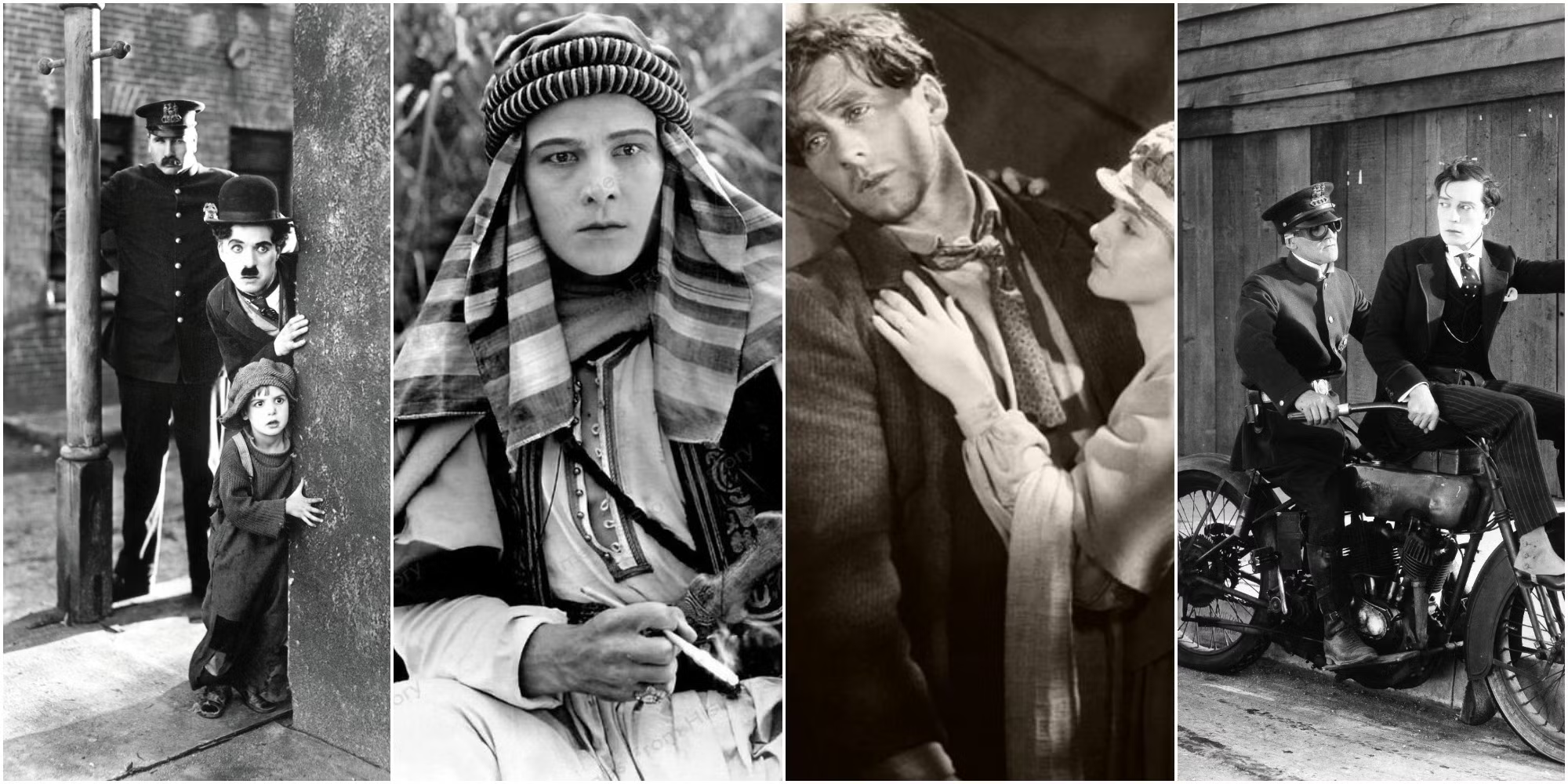
Four of the most popular movies in the 1920s with iconic actors of the time. Charlie Chaplin in The Kid, Rudolf Valentino in The Sheik, Sunrise was the first to use sound effects and music and won three Oscars at the first Academy Awards, and Buster Keaton in Sherlock Jr.
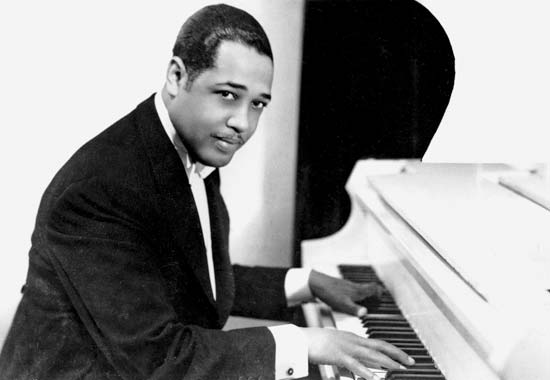
Duke Ellington was one of the greatest jazz composers of all time. He first appeared in New York in 1923 and had extensive runs at the Cotton Club in the later 1920s.
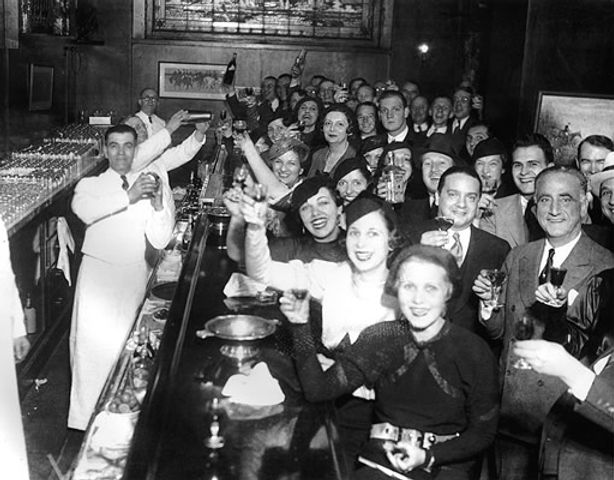
Prohibition drove the drinking underground to speakeasies. Here it can be seen that there was no lack of customers for these establishments to continue to make a living and even thrive.
Jordyn Baham is a senior at Ramapo College studying Photography with a minor in Museum and Exhibition Studies. She takes the Discovering Digital History class in Spring 2025.
