
Overview:
The Irish Civil War started on June 28, 1922, and lasted approximately ten months, ending on May 24, 1923. Even though this war started in June 1922, the Irish had been fighting for their independence way before that. In reality, the Irish started fighting for their independence from Great Britain in 1919. Great Britain refused Ireland’s departure to leave the United Kingdom and to be an independent country. Ireland and Britain fought in over a two-year war, with many casualties and land destroyed. Despite the majority of Irish citizens wanting to leave the United Kingdom summit districts in Ireland, did not want to leave the United Kingdom. This created a separate territory, called Northern Ireland, that voted to remain in the United Kingdom and have close connections with Great Britain. However, England was unwilling to give up all of Ireland, and they suggested negotiating new terms to make Ireland an independent country while remaining in the United Kingdom.
The Build-Up to the Civil War:
After the war against the United Kingdom, Ireland, in the majority of the population, didn’t want to give up the hopes of Ireland becoming an independent country. Even though there were a lot of lives lost, homes destroyed, and a lack of motivation, Ireland would not go back to the old rules the United Kingdom had under. So Ireland’s parliament and England’s parliament agreed to negotiate terms on how independent Ireland would be, what terms they no longer have to follow, and what terms they still have to follow. Despite Ireland’s resentment toward negotiating with Britain, they realized it was better to negotiate than have more bloodshed and damage to their country. Ireland brought their top-ranking officials in the military and in politics to negotiate the new terms for Ireland’s independence. However, Britain also brought its brightest and most highly ranked commanders to negotiate on behalf of the United Kingdom the terms of Ireland’s independence.
In November 1921, negotiations started with Britain and Ireland on what would ultimately determine how much control the United Kingdom would have over Ireland. Negotiations were held at 10 Downing St. in London. The people who were negotiating on Ireland’s behalf were people like Michael Collins, Arthur Griffith, and Robert Barton. The people negotiating on behalf of the United Kingdom were people like David L George, Lorn Birkenhead, Authen Chamberlain, and even Winston Churchill. To this day, we still do not know what the negotiations were like in what specific topics either side we’re fighting for. A lot of it was to remain confidential and were to be announced when Ireland reached their homeland. Ultimately, the treaty was finally signed on December 6, 1921, with all members in the room signing their names on the document. The treaty was called the “Anglo-Irish Treaty,” which gave the United Kingdom less control of Ireland, but still stayed in power, uncertain things the country did. The United Kingdom parliament and members ultimately agreed to the new terms; however, it would be quite different in Ireland. Now the people who negotiated these terms have to convince the Irish citizens and parliament that Ireland is finally gaining its independence.
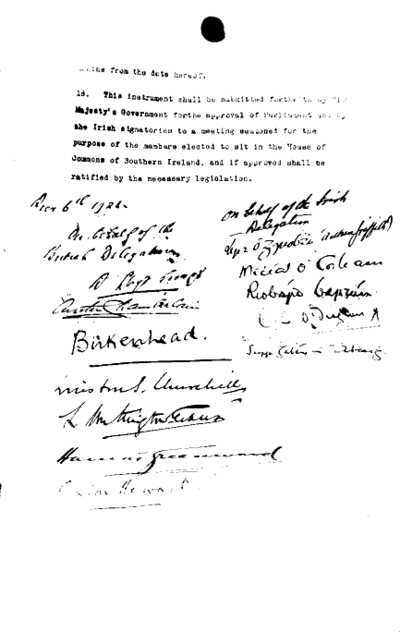
The Anglo-Irish Treaty was finalized and now just has to be passed in the Irish parliament. The negotiators had to convince the Irish parliament of the Anglo-Irish Treaty, which would ultimately prevent another war or conflict with Britain. Some of the terms and regulations that Irish citizens and government must obey are the following:
- Recognized parliament for non-imperial affairs: The Irish parliament can make decisions on behalf of its citizens, but not from a broad perspective.
- Financial Autonomy: the British would only have some control of Ireland’s finances.
- Small Military Force: Ireland could have only a limited number of military troops. However, British troops would ultimately leave Ireland.
- Ireland State remains within the British Empire: Ireland will remain in the United Kingdom and must swear allegiance to the British monarchy for any person in elected office.
- The Royal Navy would patrol Irish Waters: the British controlled the waters around Ireland
- Ulster’s Six Counties can choose to join or not: Give counties the option to remain completely in the control of the United Kingdom. (Northern Ireland)1
The treaty finally reached the public and the Irish parliament, and there were many different opinions about the treaty. Some members of parliament didn’t like all the terms in the treaty but ultimately agreed, and some parliament members agreed to the treaty not because they liked it but because they didn’t want more conflict or division with Britain. However, there was a group of parliamentarians who were completely outraged by the terms they had to follow and obey. Some members stated that this was the opposite direction of Irish independence and believed that the negotiators just applied to anything that England said. Ultimately, the Anglo-Irish Treaty went up for a vote on January 7, 1922. It passed the Irish parliament 64 to 57 in favor of the treaty. This sparked a whole new division in Ireland, no longer with the United Kingdom, but now between their own citizens.
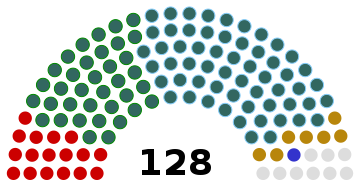
This image represents the 1922 election and what parties held what seats. As well as how the outcome of the Anglo-Irish Treaty passing happened. Red: Labour Party 17 seats, Green: Anti-treaty party 36 seats, Light Green: Pro-treaty 58 seats, Yellow: Farmer’s Party 7 seats, Blue: BPG 1 seat, White: Independent 9 seats. (Irish general election 1922)
The passing of the treaty raised high tensions in Ireland, not just in parliament, but around the whole country. Due to the passage of the treaty, some ministers of parliament started resigning. On January 14, 1922, Éamon de Valera, Cathal Brugha, and Austin Stack resigned from their post. From January to June, tensions rose throughout Ireland on the treaty and the new rules they must obey. This tension created two sides in Ireland: the Irish Free States (also called pro-treaty forces) and the Anti-Treaty IRA (also called anti-treaty forces). Ultimately, the forces of the two sides would become a reality when a man named Michael Collins and his forces attacked the Four Quarts, which ultimately would be the start of the Irish Civil War.
The Two Sides in the War:

At the beginning of any war, there are always multiple sides that become frustrated and take action, which ultimately results in fighting and battles. In the Irish Civil War, there were two sides to the war, and one of the sides was the Pro-Treaty Forces. The people who aligned with these forces agreed with the Anglo-Irish Treaty and the rules that came with it. They believe this is one step forward to Irish independence and the country being an independent nation. Some members did not even agree with every measure and term in the treaty but did not want to raise conflict or more bloodshed with the British Empire. Some of the leaders of the pro-treaties forces were people like Arthur Griffin, Richard Mulcshy, Elon O’Buffy, and most notably Michael Collins. Collins is an important figure, being a high-ranking politician and military officer, as well as being the commander and chief of the Irish free state forces. He was also the cause of the start of the Irish Civil War when he directed an order to bombard the Four Quarts in Dublin, which anti-treaty forces had taken control of two months prior. This side also had the support of the United Kingdom and its military forces.
“Deputies have spoken about whether dead men would approve of it, and they have spoken whether children yet unborn would approve it, but few have spoken of whether the living approve it.”
-Michael Collins, Dáil debate, Christmas 1921.3
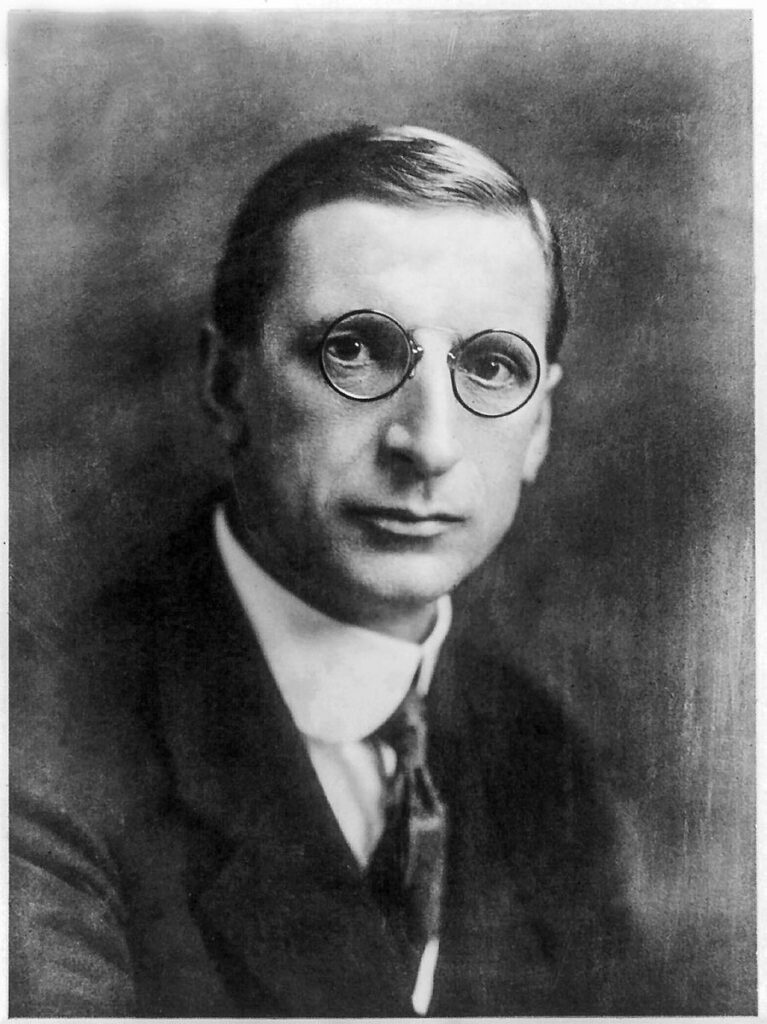
On the other side of the Civil War was the Anti-Treaty IRA. The anti-treaty for us is that they will do anything in their power—even go to war again with the United Kingdom—to finally have Ireland as an independent nation. They believed that the British Empire was keeping Ireland from doing great things economically and self-governing their citizens. They believe the Anglo-Irish Treaty favors England more than it does Ireland. The leaders of the anti-Treaty forces were people like Liam Lynch, Frank Allen, and most notably Éamon de Valer. Valera was one of the first ministers to speak out against the treaty and was the first to resign from parliament when the treaty passed. He could not plan on behalf of the anti-treaty and got Irish citizens to volunteer in the army to fight the pro-treaty forces. However, his charisma and popularity would ultimately get him in trouble with British forces being in prison for speaking against the Anglo-Irish Treaty and fighting for complete independence from the British Empire.
“A man who is not prepared to fight for his freedom will lose it,”
-Eamon de Valera’s, 1920s5
Beginning & End of the War:
The Four Courts were occupied by anti-treaty forces that took control of Dublin in the beginning of April. Michael Collins and pro-treaty forces were starting to exert pressure on the UK and their own forces about the anti-treaty forces’ control of the Four Courts. Winston Churchill told Michael Collins that if he did not get control of Dublin by August 10, he would inevitably have to send British troops to Ireland to stop the conflict. Michael Collins ultimately made the decision to bombard the courts on June 28, 1822, to get control back and push the anti-treaty forces out of Dublin. This is considered the start of the Irish Civil War and the first battle.
The first battle of the Irish Civil War was called the Battle of Dublin. Where pro-treaty forces and anti-treaty forces fought for control of the four courts and Dublin as a whole. The battle started on the 28th of June and lasted until the 5th of July, when, ultimately, pro-treaty forces got control back of the four quarts and Dublin from the anti-treaty forces. Ultimately, 44 soldiers were killed, a couple hundred were wounded, and 35 citizens were killed and over 100 wounded as well. Despite the bloodshed and people injured during this battle, it still did not stop both forces from fighting for what they ultimately wanted. Both sides continued the fight despite the bloodshed, injuries, and destruction in their own countries; there were no signs of them slowing down in the early months of the war. July, August, and September are where the most bloodshed happened, as well as destruction and battles. However, the war would take a dramatic turn at the end of August when news broke out about a certain man.
On August 22, 1922, about two months into the war, the commander-in-chief of the pro-treaty forces, Michael Collin, was killed in battle. This brought a new wave of supporters to the pro-treaty forces, who supported the treaty and even joined the fight. Ultimately, the man who replaced Collins as commander-in-chief was called Richard Mulcahy. Despite Collins’ death, the fighting did not stop, with both forces coming at each other from all angles and around the whole country. The Irish parliament, which was controlled by the pro-treaty forces, tried passing legislation to stop the fighting and prevent more bloodshed and destruction in their country.

However, on May 24, 1923, over 10 months into the war, a man named Frank Aiken, told the anti-treaty forces to “dump their arms” and surrender. This decision ultimately got the approval of Éamon de Valera, knowing that this war would not go anywhere and that innocent people were dying because of it. This officially marked the end of the Irish Civil War. Despite the war being over, there was still conflict between the pro-treaty forces and the anti-treaty forces, with some people being killed and assassinated after the end of the war. Months later, the anti-treaty forces finally accepted the Anglo-Irish Treaty. The treaty was ultimately put into law on March 31, 1922, and stayed the same for a couple of decades until the Irish attempted a second try to gain their independence in 1949 from the United Kingdom, and that battle had a different outcome than this one.
Significance:
The reason why I picked this topic was because of the interest I have in the United Kingdom and the empire they have built throughout the centuries. The United Kingdom or the British Empire was one of the biggest empires in the world controlling over 90% of the world at one point. But since 1776, the British Empire has been losing its colonies and countries for years, and there is a reason for all of them many of them are quite different. Sometimes the British Empire was OK with giving up some countries or negotiating with them for partial independence. Despite the British going easy on other countries, that was not the case with Ireland with the British fought tooth and nail to keep Ireland part of the United Kingdom. It always interests me how the Irish got into a Civil War with their people, and how different it was compared to the American Civil War. Hence the reason why I picked the Irish Civil War was to understand how desperate the Irish were to gain independence and how powerful/influential the United Kingdom was trying to keep them in their empire.
Bibliography
- The Great War. 2021. “Treaty That Caused Irish Civil War – the Anglo-Irish Treaty 1921 (Documentary).” Youtube. November 26, 2021. https://www.youtube.com/watch?v=q4h8XTRj6Oc. ↩︎
- “File: Michael Collins 1921.Jpg.” n.d. Wikimedia.org. Accessed March 26, 2024. https://commons.wikimedia.org/wiki/File:Michael_Collins_1921.jpg. ↩︎
- “‘They’ll Never Shoot Me in My Own County’ — Famous Quotes from Michael Collins.” 2022. Irishexaminer.com. August 20, 2022. https://www.irishexaminer.com/news/spotlight/arid-40942814.html. ↩︎
- “File: Eamon de Valera c 1922-30.Jpg.” n.d. Wikimedia.org. Accessed March 26, 2024. https://commons.wikimedia.org/wiki/File:Eamon_de_Valera_c_1922-30.jpg. ↩︎
- “30 Best Eamon DE Valera Quotes with Image.” 2023. Bookey.App. September 4, 2023. https://www.bookey.app/quote-author/eamon-de-valera. ↩︎
- joekilgobinet. 2009. “The Irish Civil War 1922 1923.” Youtube. May 31, 2009. https://www.youtube.com/watch?v=k9ayLHPLROg. ↩︎
- “Timeline of the Irish Civil War.” Wikipedia, The Free Encyclopedia. March 26, 2024. https://en.wikipedia.org/w/index.php?title=Timeline_of_the_Irish_Civil_War&oldid=1215710689. ↩︎

