
Summary
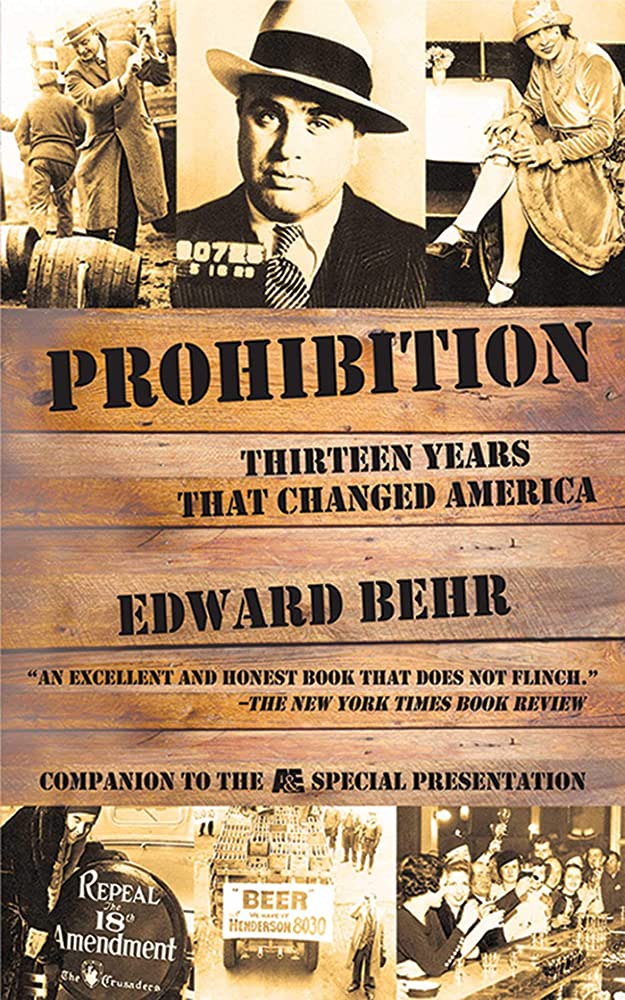
“Prohibition: Thirteen Years That Changed America” by Edward Behr is a historical account of the period between 1920 and 1933 when the United Sates government implemented a nationwide ban on the production, sale, and transportation of alcohol. The book chronicles the origins of the temperance movement and how it grew into a powerful force that eventually led to the passage of the 18th Amendment to the US Constitution, which prohibited the sale and consumption of alcoholic beverages.
Behr details the rise of organized crime and bootlegging during the prohibition era and the failure of law enforcement agencies to effectively enforce the ban on alcohol. He also discusses the social and cultural impact of prohibition, including the emergence of speakeasies, the rise of jazz music, and the changing role of women in American society.
The main thesis of the book is that the period of prohibition in the United States (1920-1933) was a pivotal time in American history that had significant and lasting impacts on society, politics, and culture. Behr argues that prohibition was not simply a moral crusade against alcohol, but rather a complex and multifaceted phenomenon that involved politics, economics, and social and cultural change.
Overall, “Prohibition: Thirteen Years That Changed America” provides a comprehensive overview of one of the significant period in American history and its impact on society, politics, and culture. The main thesis of the book is that the period of prohibition in the United States (1920-1933) was a pivotal time in American history that had significant and lasting impacts on society, politics, and culture. Behr argues that prohibition was not simply a moral crusade against alcohol, but rather a complex and multifaceted phenomenon that involved politics, economics, and social and cultural change.
How Does it Fit Into the Larger Historiography of the 1920s?
Behr contends that prohibition led to the rise of organized crime, political corruption, and the erosion of civil liberties. He also argues that prohibition created a significant cultural shift, as people began to challenge traditional values and norms and experiment with new forms of music, dance, and social interaction. Behr suggests that prohibition played a key role in shaping modern America and continues to influence contemporary debates about alcohol, drug policy, and individual freedoms.
Behr also explores the impact of the prohibition era on American society, including its effects on crime. He argues that prohibition created a huge black market for alcohol, which in turn led to a rise in organized crime.
The book describes how bootleggers, smugglers, and gangsters profited from the illegal sale of alcohol during prohibition. The demand for alcohol remained high despite its illegality, and organized crime groups were able to fill the void left by legal alcohol production and distribution. These criminal organizations engaged in violent turf wars, bribery of law enforcement officials, and other illegal activities in order to protect their profits and expand their operations.
Behr also discusses the government’s efforts to combat alcohol-related crime during prohibition. The creation of the Bureau of prohibition, the enforcement of the Volstead Act, and the efforts of law enforcement agencies were all aimed at reducing alcohol related crime, however these efforts were largely unsuccessful. This book portrays prohibition as a misguided and ineffective policy that had unintended consequences, including an increase in organized crime and related violence. Behr also mentions the difficulties that arise when the government tries to restrict people’s freedoms like consumption of alcohol.
Another theme in this book is the role of women in the prohibition movement. It explains how women played a role in advocating for the ban on alcohol, believing that it would help reduce domestic violence and other social ills. This was a very unique and pivotal time in the United States which took place mostly in the 1920’s, therefore it is important information when discussing the historiography of the 1920’s
What Does it Provide to a Reader Interested in the 1920s?
Prohibition had a profound impact on American society: He argues that prohibition was a major turning point in American history, with far-reaching effects on politics, culture, and social norms. The book provides a detailed analysis of the factors that led to the passage of prohibition and the ways in which it shaped American society during the 1920’s.
The 1920’s were a time of significant social change in the United States. Behr states that new attitudes towards gender, race, and sexuality emerged and that prohibition was part of a broader movement for social reform, driven by concerns about public morality and perceived dangers of alcohol.
He also notes that the 1920’s were a time of political upheaval, with conflicts between labor and capital, racial tensions, and the rise of the extremist political movements. Prohibition was a major political issue of the time, with supporters and opponents of the law battling for control of government institutions. Despite the political and social challenges of the 1920’s, it was also a time of significant economic growth in the United States. Behr emphasizes how new technologies of the time, such as the automobile and radio, helped transform American society and created new opportunities for people. He describes the 1920’s as a complex and transformative era heavily influenced by the impacts of prohibition.
This book also describes the 1920’s as a time of cultural experimentation. Behr highlights that during this time was the rise of jazz music, flapper fashion, and new forms of literature and arts. He argues that prohibition played a role in fostering these new cultural expressions, as people sought ways to rebel against the constraints of the law. Behr argues that prohibition was a key part of “the story of society”, and changes like these in society but also explains there were many broader historical trends and movements unaffected by prohibition.
Resources
Behr, E. (2013). Prohibition: Thirteen Years that changed America. Arcade Publishing.
