
When I think of the 1920s, the image that most often comes to mind is that of the “New Woman” or flapper. I know from some of my past courses that women got the right to vote in 1920, and during the following decade many of them, especially younger women, began to wear shorter dresses and hair styles. Additionally, I know that the Prohibition era and the speakeasies that it produced created a setting in which men and women were allowed to drink and socialize together in a way that they had not done before. Prohibition also led to an increase in organized crime during the 1920s, as banning the sale of alcohol meant that it could not be regulated and it became a valuable commodity for criminals.
I also know that the 1920s were a prosperous time for the United States. Following the end of World War I, America became the main trading partner for the European countries that were rebuilding after the war, leading to a strong American economy. Finally, I think of the Harlem Renaissance, part of which took place in this decade. A great deal of art, music, and literature was produced by Black residents in Harlem during these years.
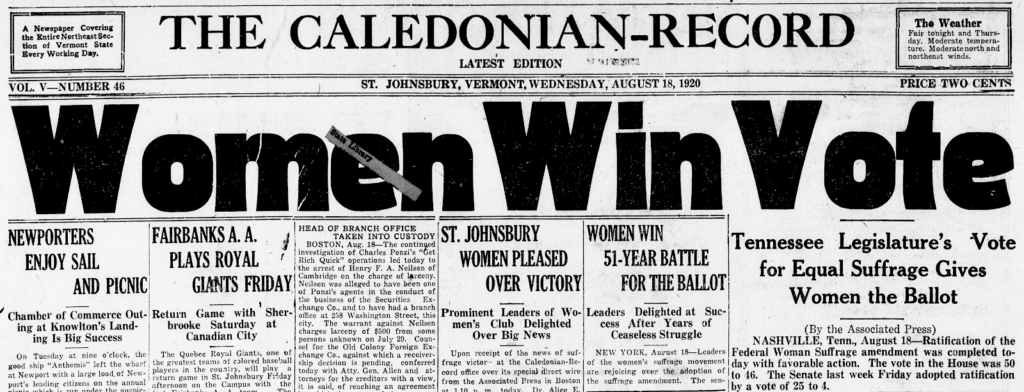
Immediately after searching for “the 1920s” in Google Images, I noticed photos featuring headlines announcing that women had gotten the right to vote. I think this confirms some of my ideas about the 1920s, since the ratification of the 19th amendment was such an important milestone in American history. It also meant that the 1920s were the first decade in which women were able to vote, allowing them to start accruing more direct political power and influence during this time. Because the 19th amendment was so impactful, I am not surprised that photos related to it feature prominently on the Google Images page.
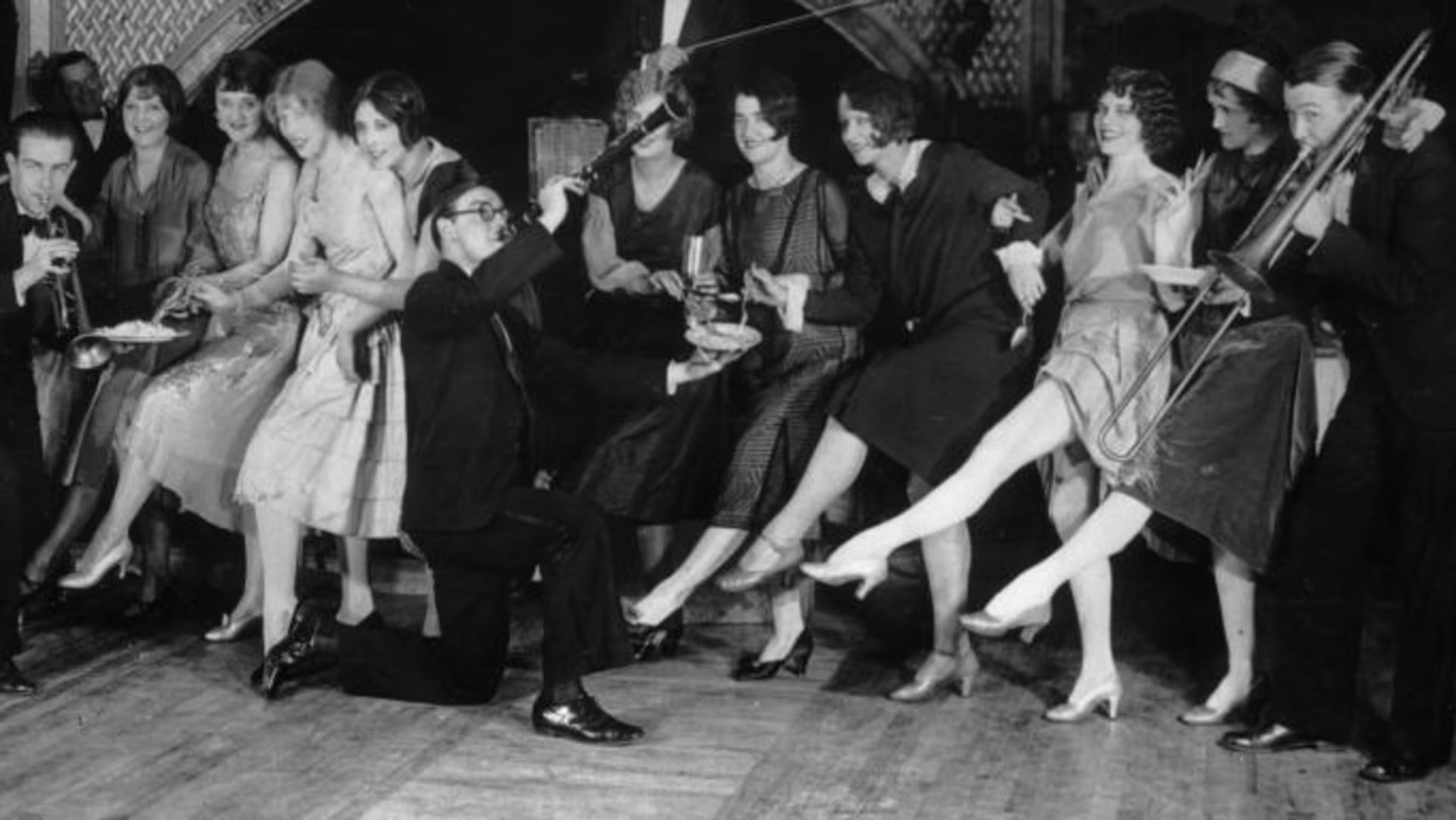
I also noticed pictures of women dancing with shorter hair and dresses, which is also in line with what I had expected to see. In some of these images, the women are dancing while men play clarinets and trombones near them. I did not initially consider the importance of music outside of the Harlem Renaissance, and these images expand my understanding of the 1920s as the “Jazz Age” as well a time when the Harlem Renaissance produced great works of art. Many other pictures are related to Prohibition, specifically protests against it. This is something that I expected to see in these photos, as banning the sale of alcohol had an incredibly large impact on the culture and experiences of people living in the 1920s. One aspect of this time that I think was missing from the images was crime. I know that Prohibition led to an increase in organized crime and the illegal sale of alcohol, so I am surprised that there are no images of prominent gangsters like Al Capone. The same goes for the Harlem Renaissance, as nearly every picture on Google Images only shows white Americans. Overall, it seems like the images tend to focus on Prohibition, women’s suffrage, or the glitz and glamour associated with the “Roaring 20s.”


Grace Martinez is a Ramapo college history major with a minor in museum & exhibition studies.
