
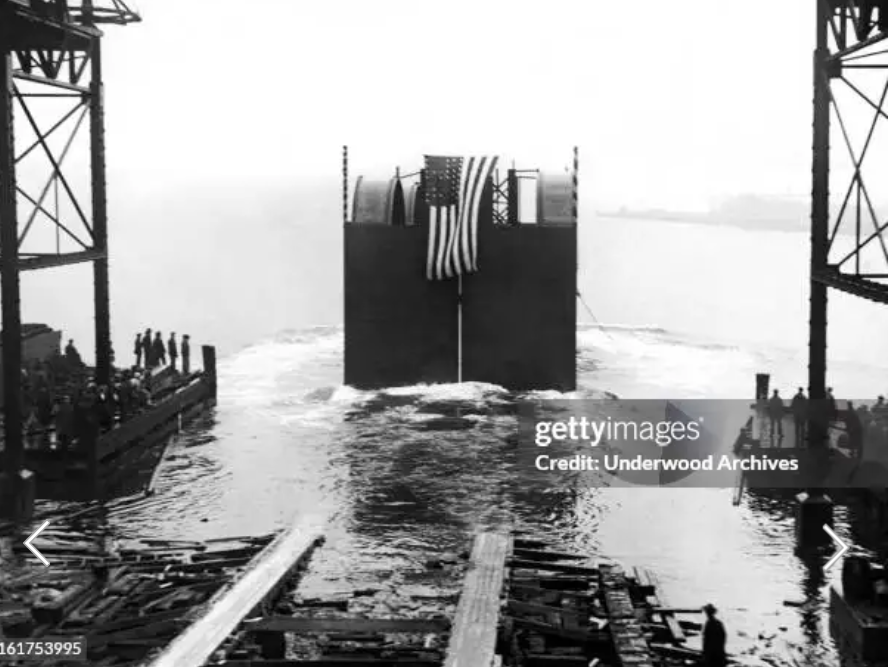
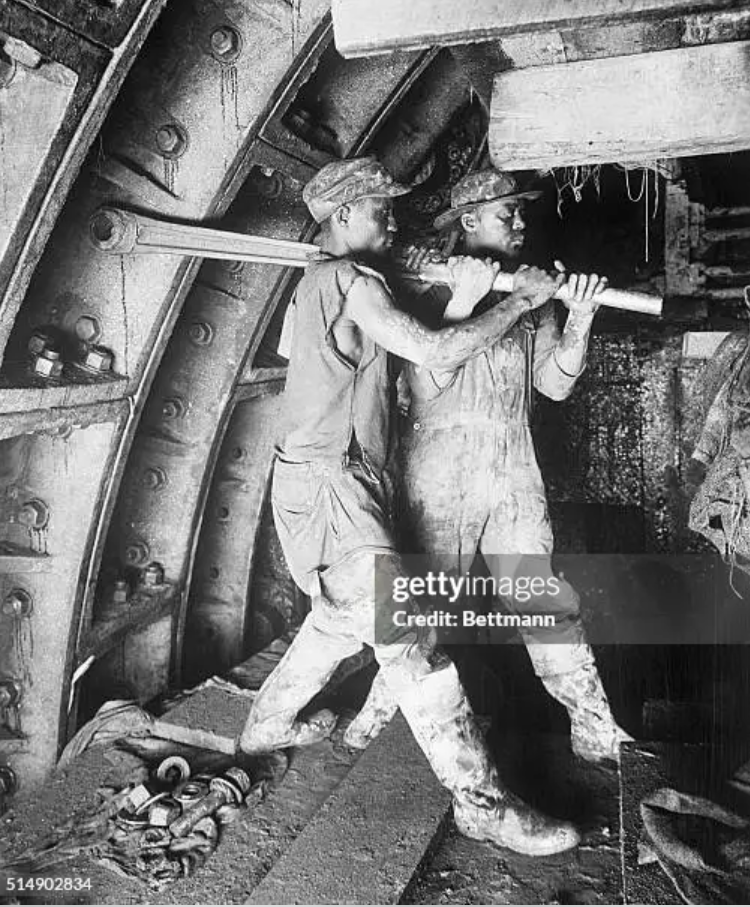
My midterm topic is about the construction and to a lesser extent the opening of the Holland Tunnel. This tunnel is an underwater tunnel that is connects Manhattan traffic to New Jersey traffic and vice versa. The construction process occurred during the decade known by many as the roaring twenties. The decade was a time of fast paced change in many different areas of American life, with one of these areas being technology. The type of technology that had the biggest impact on the construction of Holland Tunnel was automobiles. This was the case in that by the twenties they were becoming more common place amongst the American public as more of them were being produced. This is evident by ” (…) the numbers of cars produced annually rose between 1919 and 1920 from 1.5 to 4.8 million.”1Dumenil, Lynn. Modern Temper, (1932), 58. .The following information is an example of how the project of the holland relates to the ideas of work and consumerism, which were key ideas within the twenties. Understanding this is key in that it helps to underscore the context that the culture of work and consumerism lead to more cars, which thus increased the need for projects like the holland tunnel to occur during the decade. The labor source of the holland tunnel was made up of, in large part blue collar workers. This is another demonstration of the tenets of the work and consumer culture during the twenties, which is made evident by ” (…), blue collar workers produced the goods that fueled the general prosperity of the decade.”2Dumenil, Lynn. Modern Temper, (1932), 58..
Having an understanding of this is key in that it helps to demonstrate that although the twenties was time of white collar business the backbone of the economy was still the blue collar workers. This is somewhat similar to the ideas of past decades in that blue collar workers were the backbone of the economy. The difference between ideas comes into play when considering that in prior decades white collar jobs were not nearly as prevelent as they were during the twenties. Building on this, many of such workers were immigrants. Having such an understanding of this is critical in that it helps to illustrate that without immigrants groundbreaking projects such as the holland tunnel would have been at the very least much harder to build. Immigrants in past decades were also critical elements in the manufacturing world although they became more critical during the twenties. Another factor that had an impact on the holland tunnel being successfully completed was updates in technology that allowed the job to be done in a more efficient way, which in this case also meant a more safe way. During this era in a general sense these updates in technology fell under the banner of scientific management. In many cases this lead workers to not need to be as skilled. This is apparent via “(…) innovations like the assembly line and scientific management spread and contributed to the deskilling of labor.”3Dumenil, Lynn. Modern Temper, (1932), 58. In the case of the holland there was still the need for many skilled workers, although not as many. Efficiency wise modern safety measures were put into place, with an example being while workers were working under the ground an air lock was present in some cases. This is shown by “(…) the air pressure from the tunnel would be admitted until the pressure in the air lock was the same as in the working tube”4Gillespie, Angus. The Story of the Holland and Lincoln Tunnels, (2011), 31. .Scientific management while not perfect was necessary for manufacturing to reach the next level during as it did during the twenties, which is especially true in the case of the Holland due to the element of it being built under the water. The concept of scientific management was around in past decades, but not in the same sense as it was during this decade. For one during past decades there were innovations that helped to get work done in a more timely manner, but they did not of course result in the level of effcintcy that transpired during the twenties.
- 1Dumenil, Lynn. Modern Temper, (1932), 58.
- 2Dumenil, Lynn. Modern Temper, (1932), 58.
- 3
- 4Gillespie, Angus. The Story of the Holland and Lincoln Tunnels, (2011), 31.
