When I think of the 1920s, I often think of a world of culture and celebration. Thoughts of dance clubs, Jazz, Flappers, and economic boom come rushing to my mind. A key event during the 1920s that I think of first is the Harlem Renaissance. It is the biggest event that was going on, in my opinion, when thinking of the era. Though I do think of gangsters, the Prohibition, and the Italian Mafia, they feel separated from the big picture of 1920s. Those events feel more like small interesting facts rather than a core aspect of the decade. Thus, redefining culture is the first and biggest thing I think about when imaging the 1920s.
The biggest influence for why I think like this is pop culture and prior classes. A big pop culture movie that helped influence my thoughts of this decade was Woody Allen’s Midnight in Paris. The movie presented the 1920s as an era were famous and influential individuals would spend their time at pubs discussing philosophy, current politics, and new cultural trends. Though the movie took place in Paris and not in the United States, it helped build the foundation of what it was like in the 1920s from a pop culture standpoint. From what I was taught, the reason why everyone was so happy was the end of the First World War and the economic boom that came from the war. This boom caused a rise of people to challenge cultural norms, like the flappers, along with giving rise to new culture, like Jazz. I also learned about gangsters and Prohibition. But for me, I can only imagine gangsters in New York City, due to movies like The Godfather, and Prohibition only felt as if it lasted barely a year due to how quickly it was reverted.
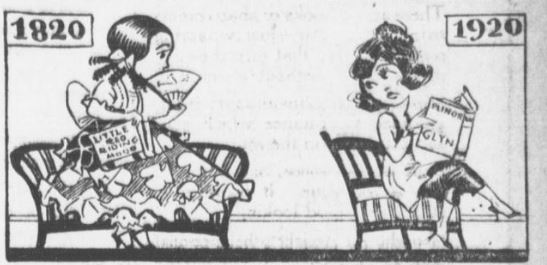
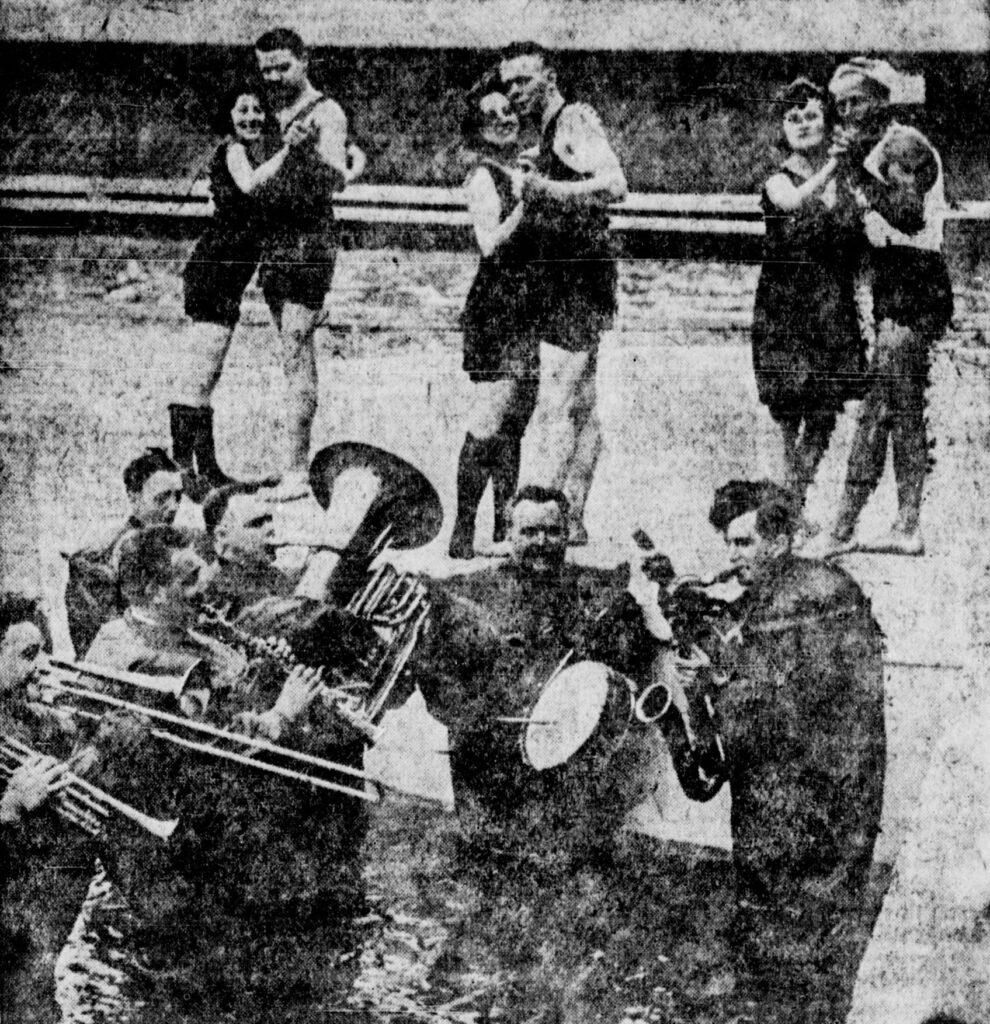
When searching for the term “the 1920s” on Google, images of flappers and jazz flood the website. This reinforced my thoughts of what the 1920s looked like. Dancing is very popular, with almost every photo on Google depicting someone (usually women) or a couple dancing on a stage, in a bar, or at a party. Another popular type of photo that Google presented were photos of protest. The Feminist Movement and Prohibition were the most common protest in the photos. Another common type of photo was people with new technology. Many photos that I saw were people standing around a radio, similar to how we stand around the TV, and having a family photo in or by the family car.
This is a little striking for me, because I always had the impression that the 1920s was the age of economic boom and partying, not one of protest and technological obsession. I knew there were protests, due to Prohibition and the Feminist Movement, but those movements felt like they were in a different era like the 1910’s or 1930’s. The photos showed me a new light of the 1920’s that I never really consider before.

Josh Pelar is a History student at Ramapo College of New Jersey.
