
I am not super familiar with the historical events or the culture of the 1920s, and the only film/media representation that I am familiar with is the Great Gatsby. I know that the 1920s are known as “the roaring 20s” due to the fact that WWI had just ended, so the economy was thriving, and it was prior to the Great Depression. I have only ever really seen the celebratory side represented in pop culture, such as the huge parties in the Great Gatsby, rather than the problematic side, like prohibition and gang violence. Although I have not seen it portrayed in popular media, I am aware of events such as the excavation of King Tut’s tomb, the bombing of Wall Street, and the passing of the 19th amendment.
When I think about the 1920s, I think of several different fashion elements that define the era. For men, I picture suits being worn as an everyday outfit including a brimmed hat. For women, I immediately think of Flappers with elaborate outfits, lots of feathers, and other decorative pieces. Long necklaces, mid length dresses, and new unique makeup was also in style. Short hair was also very popular, accompanied by headbands and hats. As far as the makeup goes, I think of small lips with a pointed cupid’s bow, dark eyes, and thin downturned eyebrows, as well as the use of color. The women of this era come across as very doll-like, which is similar and different from previous decades. All of these factors play into the creativity and self expression of the decade.
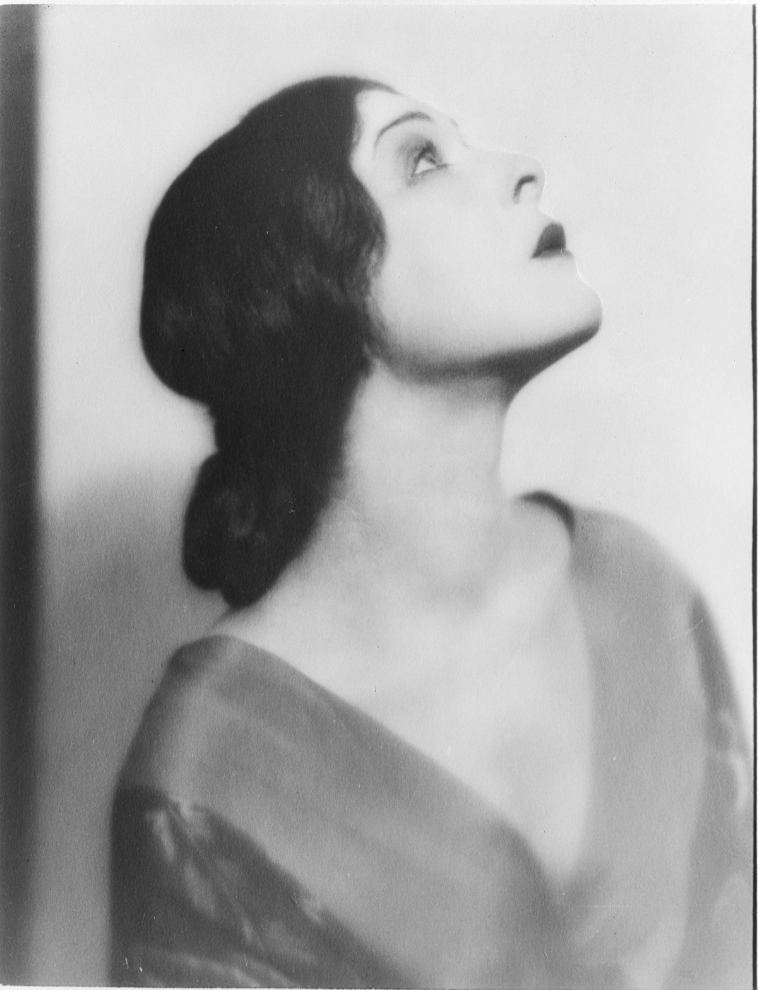
Alla Nazimova– Pritchard, Monroe (ca. 1920).
After searching “the 1920s” on Google images, nearly every picture was of a person. Women can be seen with short curled/waved hair, mid length dresses, hats, fur coats, long layered necklaces, bracelets, heels, dancing, and wearing distinctive makeup. Men are not shown wearing anything other than suits or trench coats, and many are either wearing or holding hats. Their hair is very neat and short, and they rarely have facial hair. I also noticed that even young children are dressed very formally, which I think shows the extent to which people were dressing their absolute best.
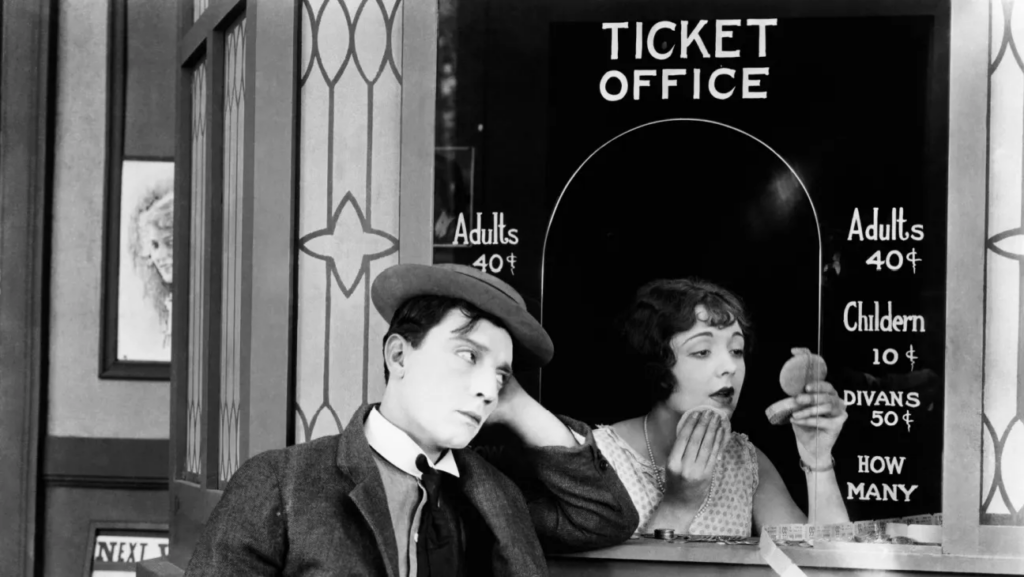
‘Sherlock Jr.’ (1924), Doherty.
It is clear that the “roaring” 1920s held huge progressive power, but also led to massive failure. This decade started off as a huge prosperous and progressive era, following the end of WWI. There was a new found sense of freedom and creativity, and the economy was doing very well, so people had money to spend. Nationalism seems to be very prominent, with pictures of men, women, and children celebrating while waving American flags. In addition to waving flags, there are several pictures of people waving signs in protest, some of which read “we want beer” (a response to prohibition) and “votes for women” (in favor of the 19th amendment). 1929 ended with the stock market crash and the Great Depression, putting a stop to the fun and freedom.
Citations
Doherty, Thomas. “100 Years Later, Revisiting Buster Keaton in the Multiverse.” The Hollywood Reporter, August 29, 2024. https://www.hollywoodreporter.com/movies/movie-news/buster-keaton-sherlock-jr-history-1235985615/.
Lucas-Pritchard, and Lucas Monroe. [Alla Nazimova.]. ca. 1920. Museum of the City of New York (MCNY). https://jstor.org/stable/community.16075989.

Ramapo College sophomore majoring in History and minoring in Museum Studies + Music Industry
