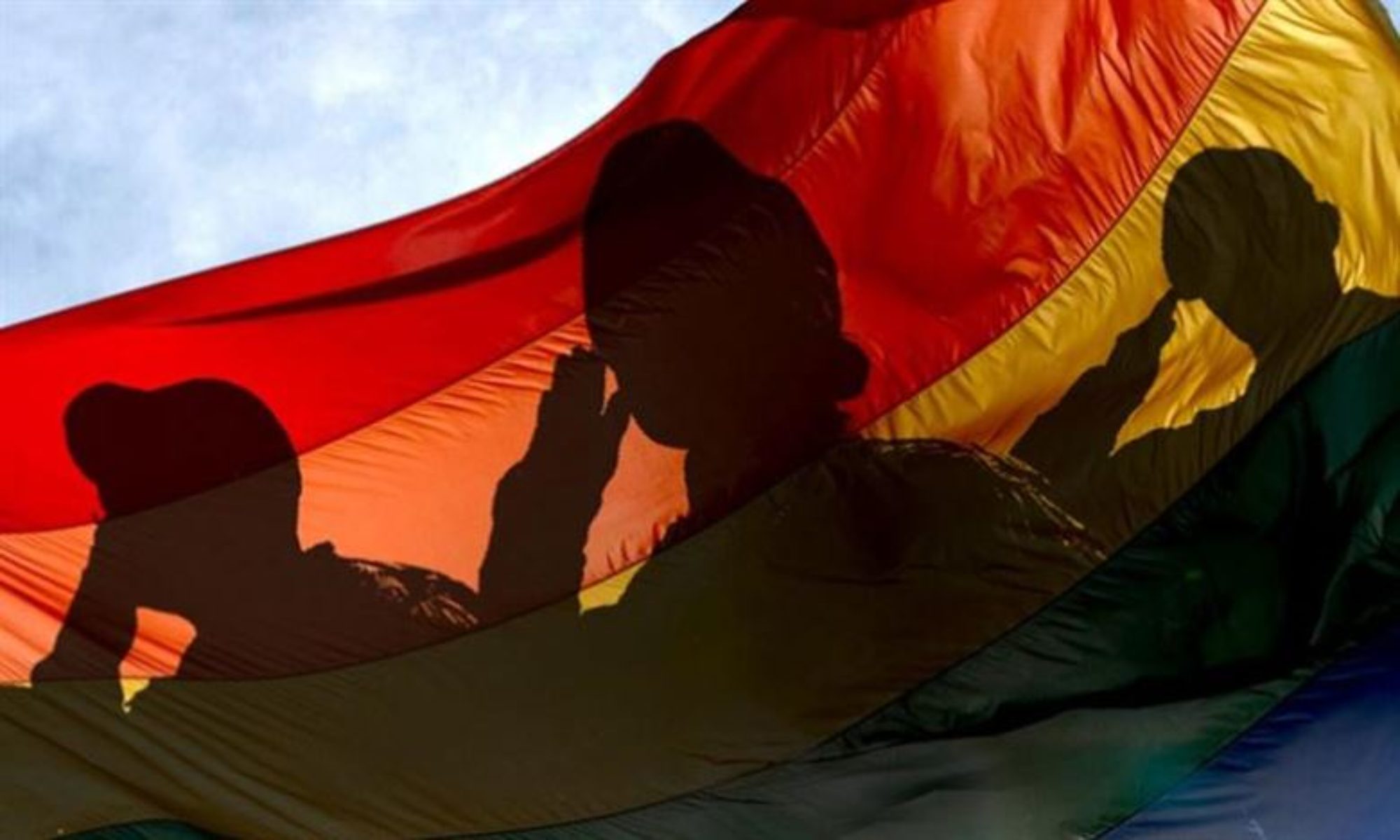
The following is a compilation of a few experiences LGBTQ+ service members face while in the military
Dr. Daniel Hohman
Dr. Daniel Hohman of the 377th Medical Group is now retired but served in the navy before the repeal of DADT. He experiences paralyzing fear of his sexual Orientation being discovered. Rumors spread about him and only stopped when a senior officer said how much of an asset he was. It was increasingly more difficult for him to remain in the closet and at one point a colonel even called Hohman to his office to tell him how the colonel’s wife’s new Hohman was gay. “You can’t shine when you’re paralyzed with fear,” Hohman said. He also believes we have come such a far way after the repeal of DADT.
I believe this is a perfect example of how the military and the LGBTQ+ community was hurt by DADT. Hohman had to face daily fear that held him back and possibly derived the military from receiving his best work. It causes a lifetime of struggle and legislation like DADT causes discord between service members because of the separation and discriminatory attitude it causes.
Brett Jones
Brett Jones was the first navy seal to be openly gay. He was outed after he left a voicemail to his lover. It caused a full investigation that was dropped, but the damage had been done. He decided not to re-enlist and was honorably discharged in 2003. He is overall positive when he speaks out, claiming “Of course there would be guys who would talk and whisper behind my back, but overall I received the best support one could hope for from their brothers … I will always be thankful for those brave SEALs.”
I believe Jones’ story perfectly shows how the connection between LGBTQ+ service members and their peers can be just as strong as non-LGBTQ+ relationships. The military is found on trust and to do this, service members must be accepting of all types of people.
Necko L. Fanning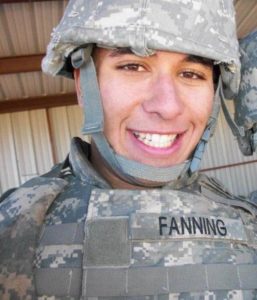
Necko L. Fanning discusses how he was targeted after a man-on-man sexual assault happened in his unit. He was the only openly gay man and was his career was threatened by a noncommissioned officer who was the head of the unit’s Sexual Harassment/Assault Response and Prevention program. Fanning’s sergeant was a woman “without prejudice” who defended Fanning by saying the claims against him stemmed from homophobia. Fanning claims it was not the first time he was targeted and his military career was filled with anxiety.
Quickly after he joined, slurs like “faggot” were written on his locker in sharpie. There were also a few threats, but Fanning didn’t want to be “that guy” so felt uncomfortable reporting it. He didn’t want to seem like he couldn’t take a joke and did not want to ruin his social capital and his team’s trust before he even started. People urinated in the snow on his windshield and one time he was told by a superior officer not to bring a date to a military social event.
Fanning encountered multiple fellow service members with the same problems. One woman who served before the DADT repeal never reported a sexual assault for fear she would be outed as a lesbian.
Fanning says he avoided everyone who showed him compassion for fear of a trick. He says “Every memory evokes an emotion: rage that I had to serve with a constant sense of fear of my fellow soldiers; paralyzing sadness for those who endured abuses worse than I can know; and, the worst, guilt over the service members — gay or straight or transgender — who died while serving in the military while my body is still whole.”
I believe Fanning’s story shows how much anti-LGBTQ+ laws and sentiment hurt those serving in the military. The mental health issues it creates are obvious and alarming. Acceptance of homophobia in the military allows for immorality and hate. Legalization that backs up anti-LGBTQ+ sentiment only continues the issues and justifies them.
Catherine Schmid
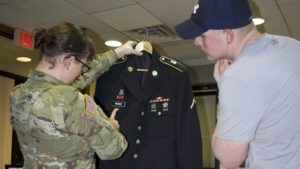
Catherine Schmid joined the military to become more masculine. She came from a religious family and hid her feelings. Catherine claims “I had spent my entire life trying to overcome dysphoria through every means — prayer, hard work, and good old-fashioned heterosexual activity,” she said. She did not change and in fact, embraced her true gender identity. Schmid felt extreme anxiety over coming out. She was still allowed in the military, but only as a male. She was reported for nail polish and her hair was checked to make sure she complied with male standards. Catherine was moved under a more accepting senior officer and was allowed to wear a female uniform in 2011. The transgender ban was lifted soon after. She felt joy by wearing her uniform and felt like she belonged. “I know her as female Sgt. Schmid, and she’s been a blessing,” said a noncommissioned officer. She started hormone therapy, changed her official gender status on her forms, and was prepping for gender reassignment surgery. Trump’s new transgender ban does not allow her to be discharged due to the fact that she was diagnosed before the policy. “She hates the idea that the Army she has come to love is once again treating trans soldiers like outcasts. She thought the fight was won. She thought the uniform finally fit.”
Schmid’s story shows how wonderful it can be for LGBTQ+ community members and the military when there is no discrimination or homophobia. Allowing one to be who they truly are can revolutionize their life and mental health. This can lead to an even more dedicated and hardworking service member.